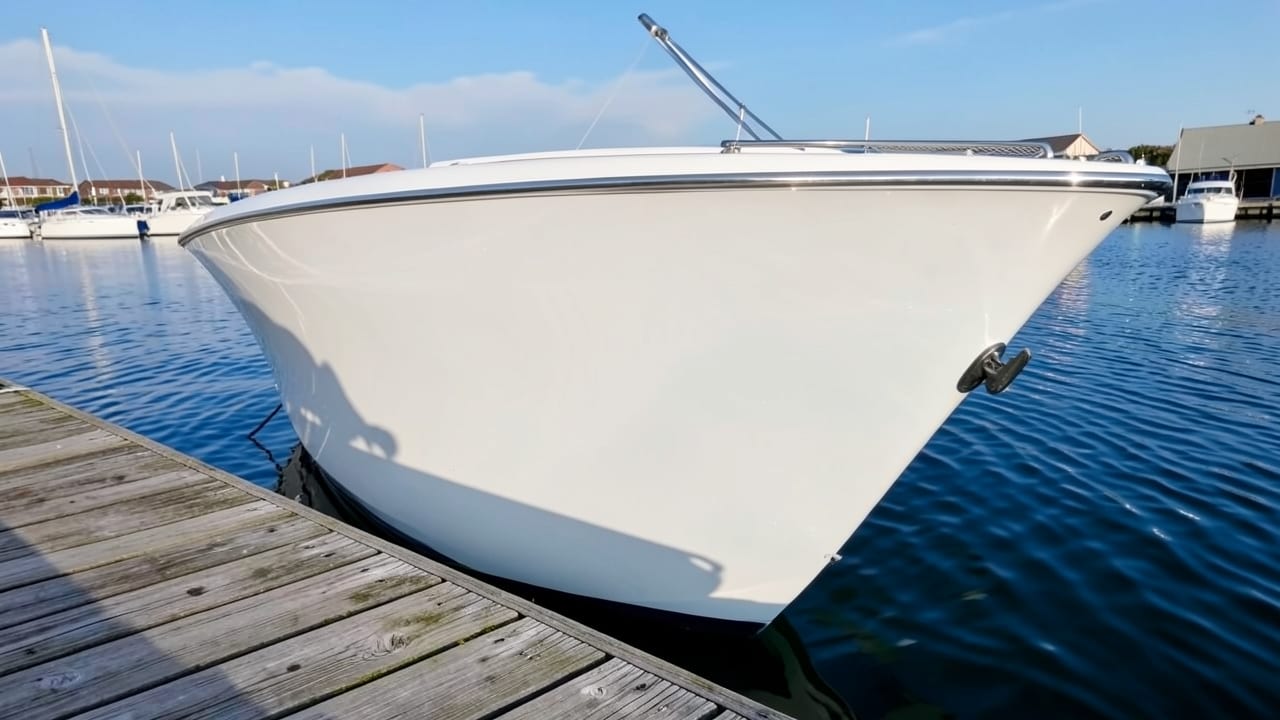
Boat Gelcoat Restoration
Restoring and protecting boat gelcoat with ceramic coatings to renew shine and durability.
Boat gelcoat restoration in Ocala, FL, restores the glossy finish of your vessel by repairing surface damage from oxidation, scratches, or fading.
A ceramic coating is then applied to protect against UV rays, saltwater, and contaminants common in Florida’s climate, extending the life of your boat’s finish with a long-lasting, glossy barrier.
We also handle Fleet & Commercial Vehicle Coating and Graphene Coating for Ocala vehicles.
Why your boat’s gelcoat needs restoration
Gelcoat deterioration is common in Ocala’s mix of sun exposure, saltwater, and airborne contaminants. Over time, oxidation dulls the finish, while scratches and fading make your boat look worn.
A ceramic coating helps restore that showroom shine while shielding against further damage, but only if the surface is properly prepped first.
Skipping prep steps like decontamination or paint correction can leave fine scratches or embedded contaminants trapped under the coating. These flaws won’t disappear—they’ll be sealed in permanently, making future touch-ups harder. The key is addressing them before applying the coating to ensure a smooth, even finish.
Signs Your Boat’s Gelcoat Needs Restoration
- Water beads unevenly or spreads into a flat sheet instead of rolling off—this means the protective layer has worn away.
- Fine swirl marks or light scratches are visible under direct sunlight or a flashlight, especially on darker gelcoat.
- The surface feels rough or bumpy when running clean fingertips across it, indicating bonded contaminants like brake dust or industrial fallout.
- The gelcoat looks dull or hazy right after washing instead of retaining a glossy finish.
What affects pricing and timing?
The scope of work—whether correcting deep scratches, oxidation, or just applying a fresh coating—directly impacts cost and time. A full restoration includes decontamination, clay bar treatment, paint correction, and coating application, while a simpler refresh may only need a light polish and topcoat.
Boat size and material condition also play a role. Larger vessels or heavily oxidized gelcoat require more time and product, while smaller boats with minor surface issues move faster. Ocala’s climate means faster curing in heat but longer prep if humidity is high.
| Factor | Typical Impact on Timeline | Typical Impact on Cost |
|---|---|---|
| Boat size (under 20 ft vs. 25+ ft) | 1–3 hours longer for larger vessels | $200–$800+ increase |
| Surface condition (light scratches vs. deep oxidation) | 1–4 hours for correction vs. 30+ mins for coating only | $100–$500 difference |
| Prep steps included (full decontamination vs. minimal) | 2–3 hours added for thorough prep | $300–$1,000+ for skipped steps |
| Coating tier (single-layer vs. multi-layer) | Same application time, but multi-layer adds 1–2 hours drying | $500–$1,500+ difference |
Common mistakes to avoid after coating
A freshly coated gelcoat is vulnerable during the first few weeks. Washing too soon, using the wrong products, or exposing it to rain before full cure can cause water spots, streaks, or uneven bonding.
Even bird droppings or sap left too long can etch into the surface, requiring extra polishing later.
Automatic car washes with spinning brushes introduce fine scratches that show up more on glossy coatings. Hand-washing with a two-bucket method and pH-neutral soap during this period helps maintain the finish. Parking in shade or a garage for the first several days also reduces flash-curing from direct sun.
Coating does not replace impact protection—rock chips or deep scratches will still occur. Skipping paint correction before coating locks in existing swirl marks permanently. Always confirm whether a quote includes full prep or just the topcoat.
How boat gelcoat restoration works
Restoration begins with thorough cleaning and ends with a protective ceramic coating.
- 1Foam Pre-Wash and Wheel Cleaning
The boat undergoes a foam wash to remove loose dirt, followed by a dedicated wheel-and-tire cleaning pass. Different mitts are used for paint and wheels to prevent brake dust from scratching the gelcoat during prep.
- 2Chemical Decontamination
Iron remover strips embedded brake dust, and tar/bug remover lifts road residue. These contaminants sit below what a wash mitt alone can reach, so chemical treatment is applied before any mechanical contact.
- 3Clay Bar Treatment
A lubricant is applied, and a clay bar is worked across every panel to pull out bonded contaminants like overspray or industrial fallout. The surface is considered prepped only when it feels glass-smooth to the touch.
- 4Paint Inspection and Correction
Under raking light, swirl marks and scratches are identified. A correction polish is applied where needed, as coating over existing imperfections seals them in permanently.
- 5Coating Application and Cure
The ceramic coating is applied panel by panel in a controlled environment, then left undisturbed for the manufacturer’s specified cure time—typically 24–72 hours—before exposure to water or washing.
Frequently asked questions
How do I know if my boat’s gelcoat is ready for restoration?
Look for uneven water beading, visible swirl marks under direct light, or a dull finish after washing. Running clean fingertips across the surface should feel smooth; any bumps indicate bonded contaminants that need removal before coating.
Does coating protect against rock chips or deep scratches?
No. Ceramic coatings add surface hardness against light swirling and UV damage but do not stop rock chips or deep scratches. These require separate repair methods, and coating over them will not hide the damage.
Why does the quote include ‘prep’ but not list all the steps?
‘Prep’ often bundles multiple steps like decontamination, clay bar treatment, and correction. Skipping details can mean critical steps—like iron removal—are omitted, which shortens how long the coating holds up. Always ask for a breakdown of included prep work.
How long should I wait before washing my boat after coating?
Wait at least 48–72 hours, or until the manufacturer’s cure time is complete. Washing too soon can cause water spots or uneven bonding. Use a two-bucket wash method with pH-neutral soap during the first few weeks.
Where Ocala sits, and what the Census lists nearby
Ocala sits in Florida, and the closest places listed in the U.S. Census Gazetteer are Silver Springs (6.4 miles northeast), Liberty Triangle (8.1 miles southwest), Silver Springs Shores (9.4 miles southeast), On Top of the World (9.6 miles southwest).
Within 25 miles of Ocala the same source lists 24 distinct incorporated places and census-designated places.
Those figures matter for boat gelcoat restoration because they are straight-line distances between Census coordinate points: road mileage between Ocala and Silver Springs runs longer than the 6.4 miles shown, which is why quotes for the same job differ between towns that look close together on a map.
Source: U.S. Census Bureau Gazetteer.
See Zuber, FL for more, or discover our complete Ocala service list at a glance for our complete lineup.
Ready to get started?
Talk to a local ceramic coating pro in Ocala — get a written quote.
Other Ceramic Coating Services in Ocala
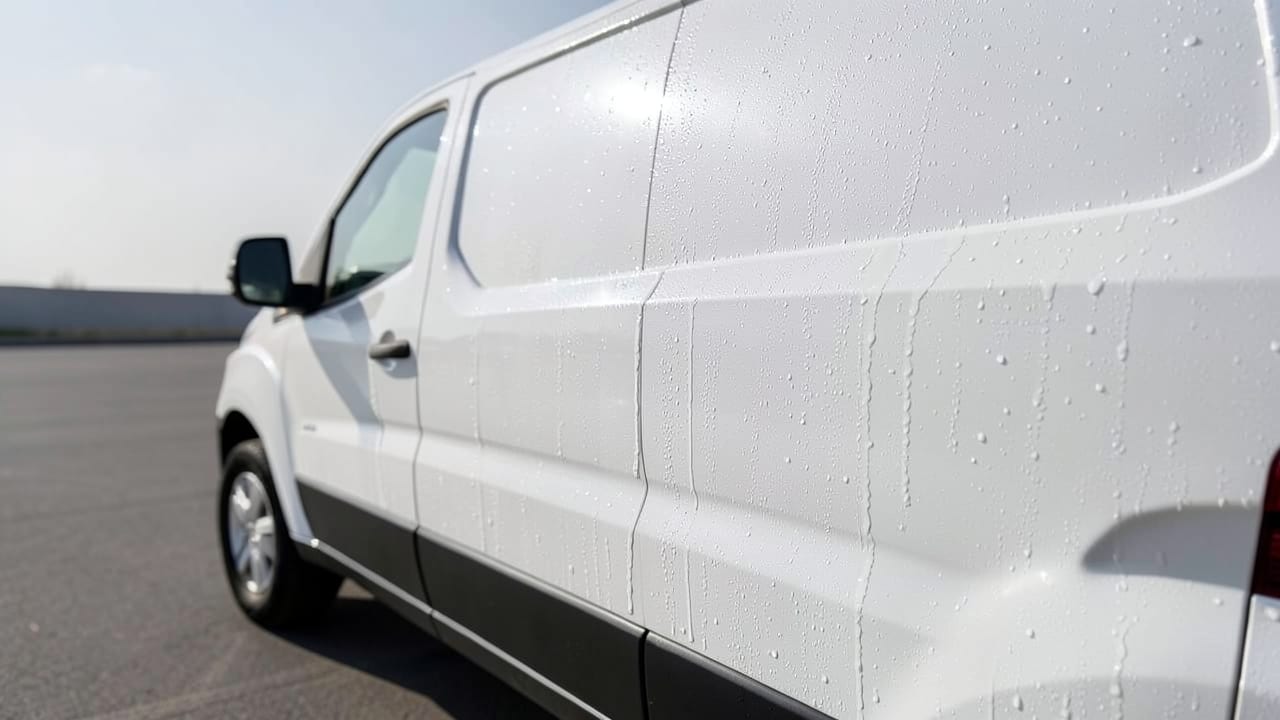
Fleet & Commercial Vehicle Coating in Ocala, FL
Ceramic coating programs for fleets and commercial vehicles in Ocala, FL — faster washing, longer-lasting branded wraps, and protected resale value.
Learn More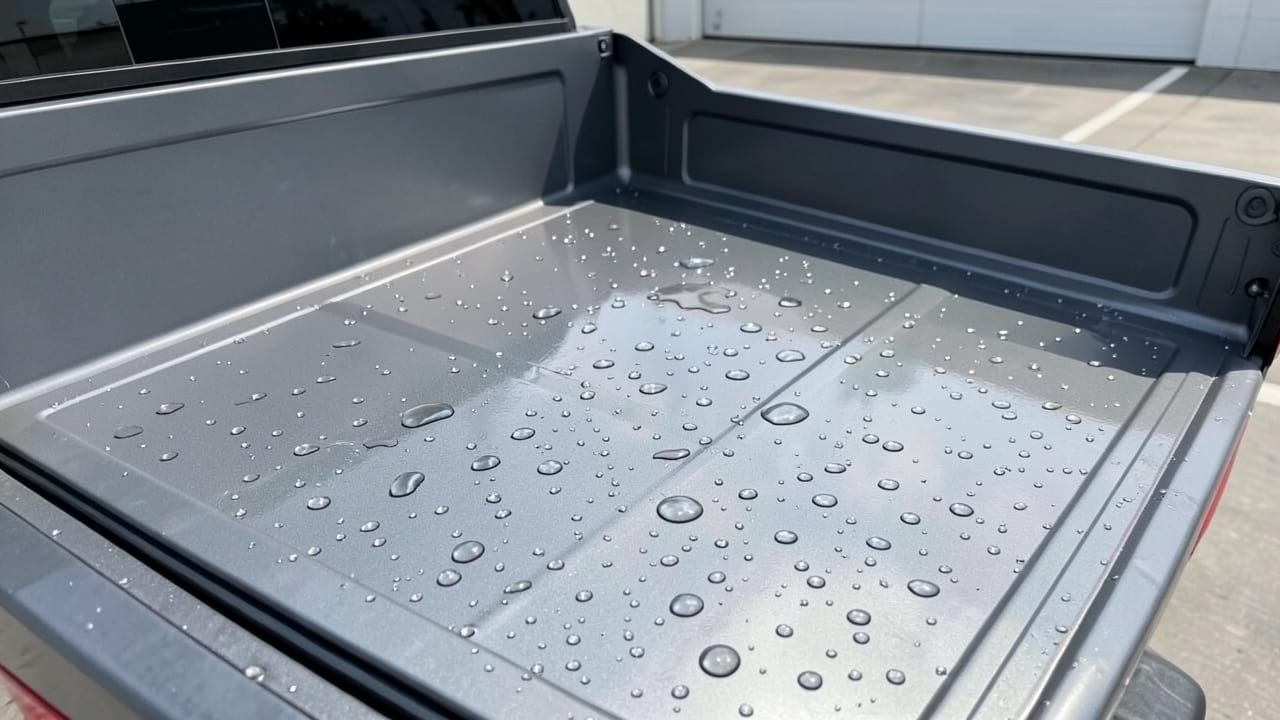
Graphene Coating in Ocala, FL
Graphene coating in Ocala, FL — a premium ceramic alternative with better heat rejection and hydrophobic durability.
Learn More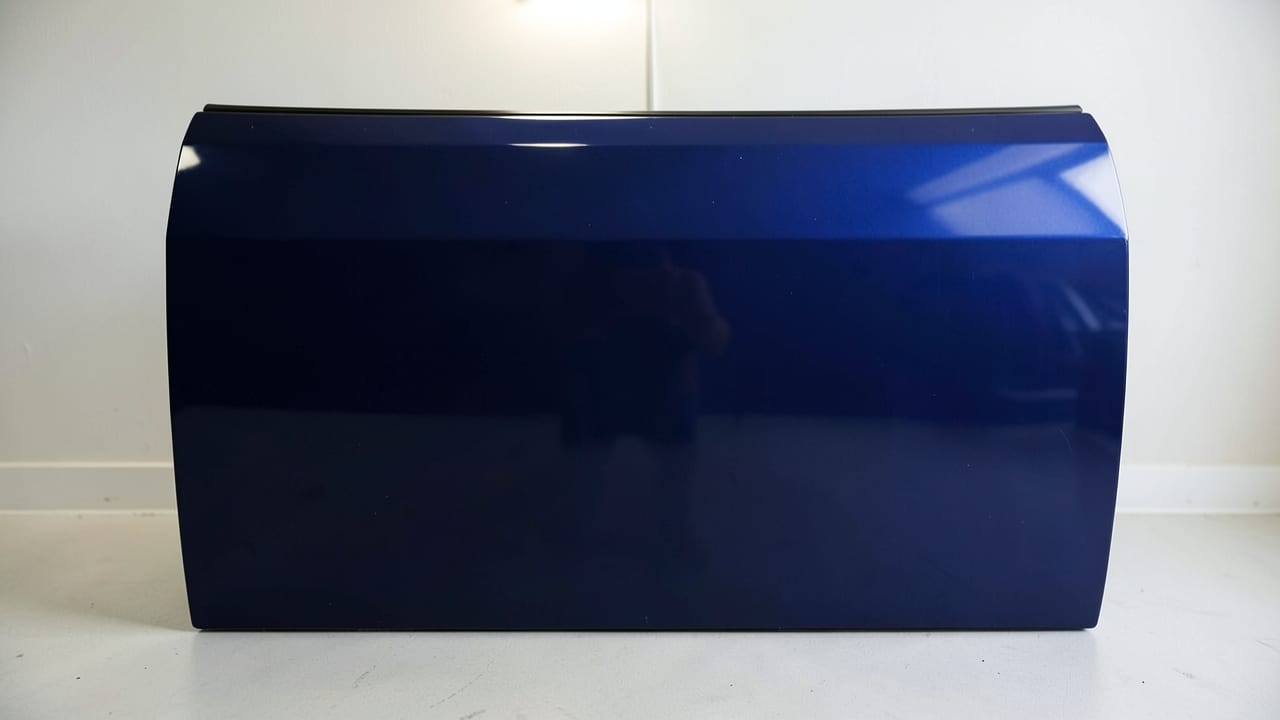
Clay Bar Paint Decontamination in Ocala, FL
Clay bar paint decontamination in Ocala, FL removes bonded surface contaminants a wash alone can't touch, before coating or correction.
Learn More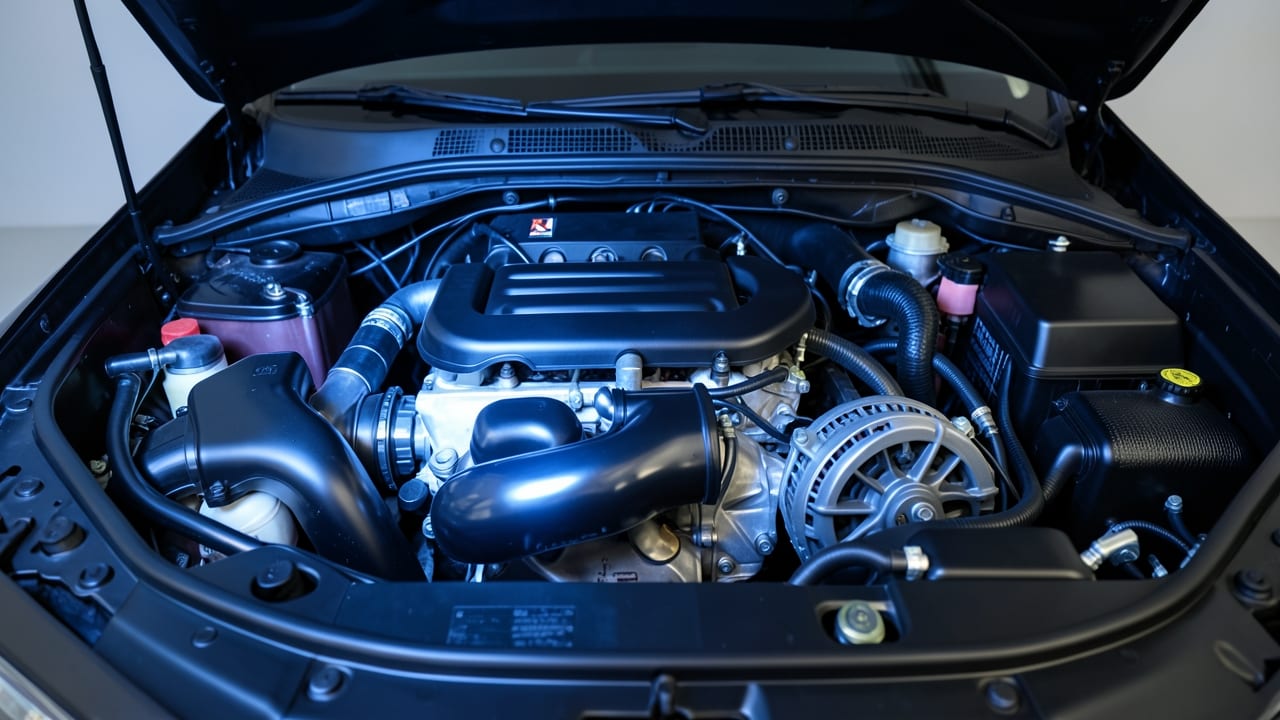
Engine Bay Detailing in Ocala, FL
Engine bay detailing in Ocala, FL — safe degreasing and dressing of the engine compartment without risking electrical components.
Learn More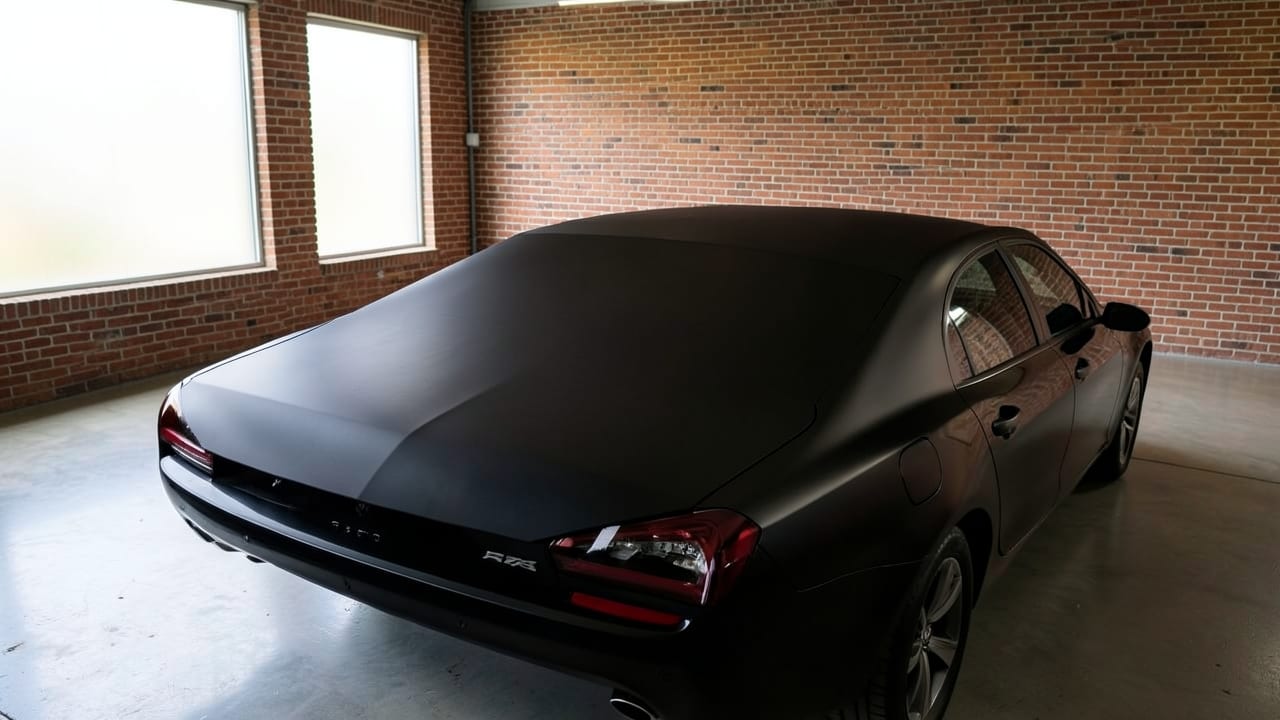
Vinyl Wrap Installation in Ocala, FL
Professional application of vinyl wraps to protect or customize vehicle surfaces.
Learn More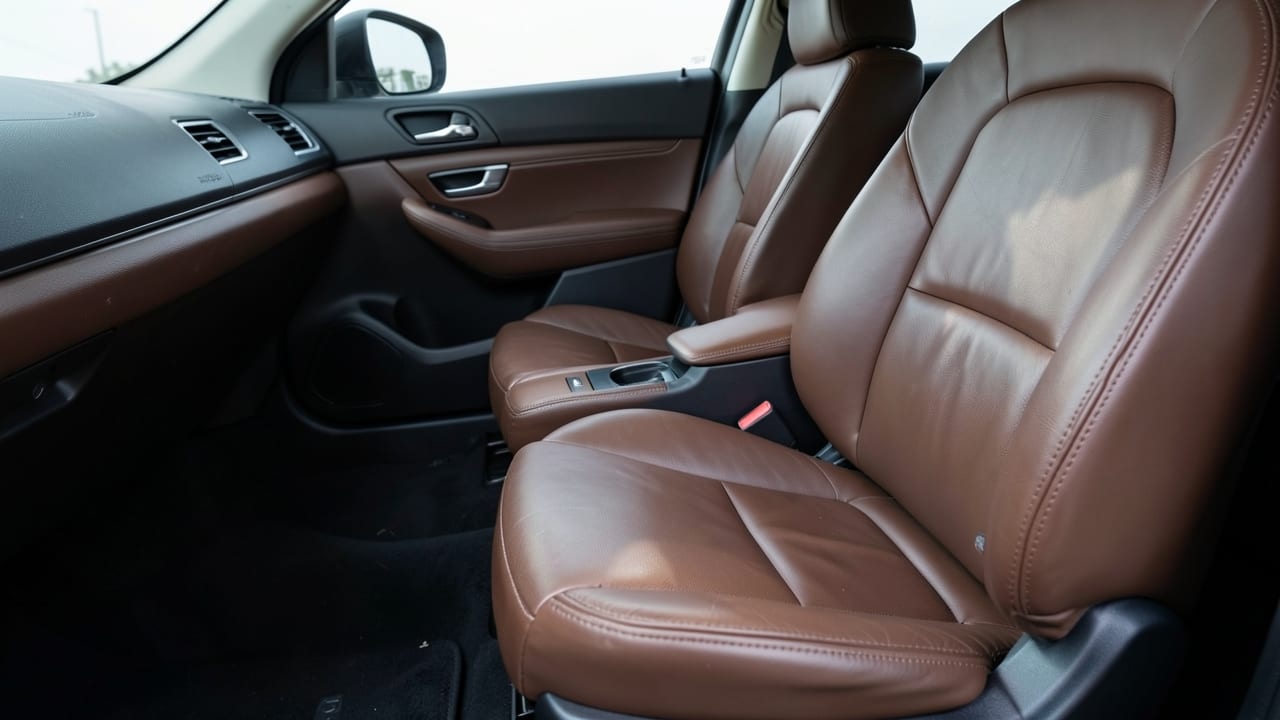
Leather Conditioning in Ocala, FL
Professional application of ceramic coatings to protect and condition leather surfaces.
Learn MoreCommon Questions About Ceramic Coating in Ocala
Everything you need to know about ceramic coating services in Ocala
How much does Boat Gelcoat Restoration typically cost in Ocala, FL?
Does intense UV and dust in Ocala, FL change coating maintenance?
What is the difference between graphene and SiO2 ceramic coatings?
Does a ceramic coating need to be topped up over time?
Can a ceramic coating be applied over existing swirl marks or light scratches?
Is ceramic coating ever covered by comprehensive auto insurance?
Need Ceramic Coating in Ocala?
Get a written quote from our Ocala crew.
⏰ We answer your call • Serving all of Ocala and surrounding areas