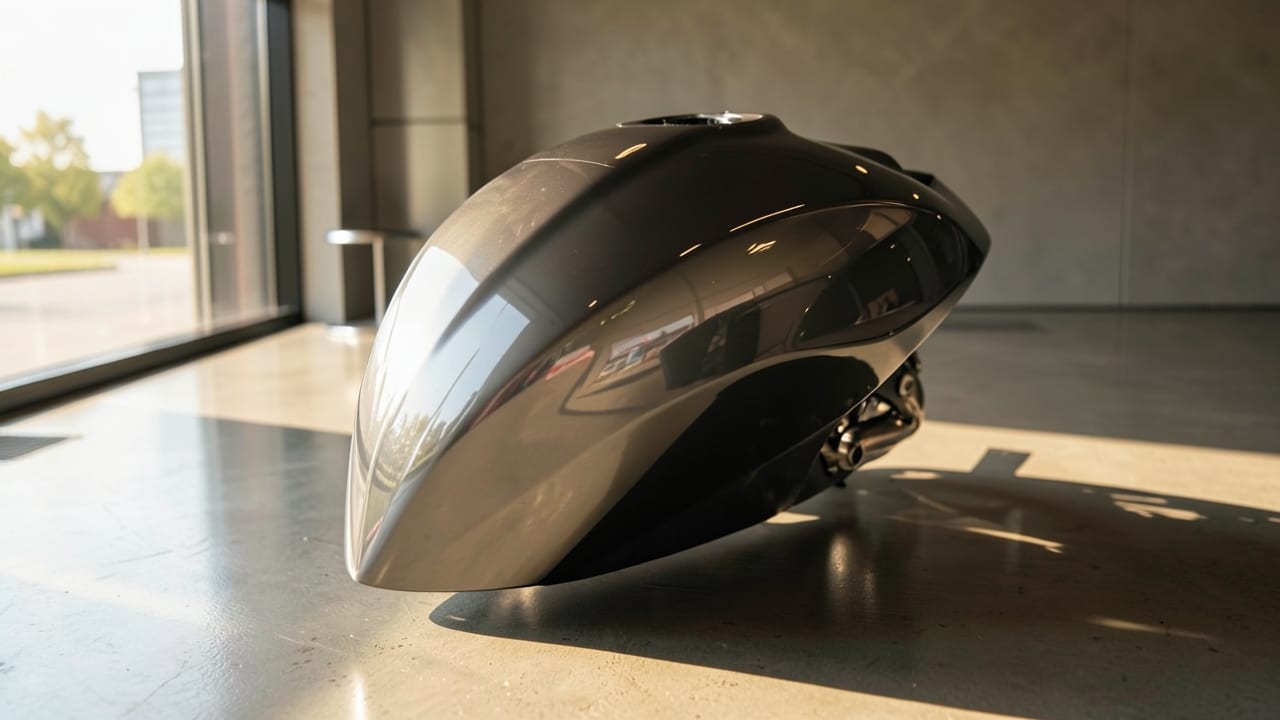
Motorcycle Ceramic Coating
Professional application of ceramic coating to protect motorcycle paint and surfaces from damage.
Motorcycle ceramic coating in Ocala, FL, adds a protective layer to your bike’s paint, shielding it from scratches, UV damage, and contaminants. The process involves thorough cleaning, decontamination, and careful application to ensure a durable, glossy finish that helps maintain your motorcycle’s appearance and resale value over time.
When your motorcycle needs coating
Ceramic coating isn’t just about shine—it’s about protecting your bike’s paint from daily wear. If water beads instead of rolling off, or you feel bumps when running your fingers over the paint, contaminants have likely built up and weakened the existing protection.
We also handle Road Tar Removal and Overspray Removal for Ocala vehicles.
Darker paint colors often show fine scratches under direct sunlight, which a coating can’t hide unless corrected first.
Coating also helps resist UV rays, which fade paint over time. If your bike’s finish looks dull after washing, or you notice a loss of gloss, it’s a sign the clear coat is exposed and could benefit from the added protection.
However, coating won’t fix deep scratches or rock chips—those require separate repairs first.
Signs Your Motorcycle Needs Coating
- Water spreads instead of beading on the paint surface
- Fingers feel bumps or roughness when touching the paint
- Paint looks dull or hazy after washing, not glossy
- Fine scratches or swirl marks are visible under direct light, especially on darker colors
- The original wax or sealant has worn off, leaving the clear coat exposed
What affects pricing and protection
The cost of motorcycle ceramic coating depends on the bike’s size, the extent of prep work needed, and the type of coating applied. Larger bikes or those with extensive contaminants may require more time and materials.
Coating tiers vary—standard options provide 1–3 years of protection, while premium formulations may last longer but at a higher cost.
Prep work, such as decontamination and paint correction, is critical to the coating’s success. Skipping steps like iron removal or clay bar treatment can leave contaminants trapped under the coating, reducing its effectiveness.
Always ask for a breakdown of what’s included in the quote to ensure the prep matches industry standards.
| Factor | Impact on Pricing/Timing |
|---|---|
| Bike Size | Larger bikes take longer to prep and coat, increasing labor time |
| Surface Condition | Heavily contaminated or scratched paint requires extra prep work |
| Coating Tier | Standard (1–3 years) vs. premium (longer-lasting) tiers affect material costs |
| Add-Ons | Wheel, interior, or window coatings are priced separately |
| Prep Work Included | Full decontamination (clay bar, iron remover) ensures better bonding but may add time |
Why prep matters more than the coating itself
A ceramic coating only performs as well as the surface it’s applied to. If contaminants like brake dust or industrial fallout remain, they’ll stay trapped under the coating, causing premature wear.
The prep process—foam wash, chemical decontamination, clay bar treatment, and paint correction—removes these issues before application, ensuring the coating bonds smoothly.
Skipping steps like iron removal or using the wrong products during prep can lead to patchy curing, streaking, or high spots. These flaws don’t appear immediately but show up over time as the coating wears unevenly. Always confirm that the quote includes full prep, not just a quick wipe-down.
Coating over uncorrected swirl marks locks them in permanently. Residual oils from wax or polish prevent even bonding. Rushing the cure period with water exposure causes water-spot marks that won’t buff out.
How motorcycle ceramic coating works
- 1Foam Wash and Wheel Cleaning
The bike undergoes a foam pre-wash to lift loose dirt, followed by a separate wheel-and-tire cleaning pass. Different mitts are used for paint and wheels to prevent brake dust from scratching the clear coat during washing.
- 2Chemical Decontamination
Iron remover strips embedded brake dust from the clear coat, and tar/bug remover lifts surface contaminants. These steps happen before any mechanical contact to avoid pushing particles deeper into the paint.
- 3Clay Bar Treatment
A lubricant and clay bar or mitt remove bonded contaminants like overspray or industrial fallout. The paint should feel glass-smooth to the touch—this confirms decontamination is complete.
- 4Paint Correction and Wipe-Down
Under raking light, swirl marks and scratches are identified and corrected with a polish. Every panel is wiped with isopropyl alcohol immediately before coating to remove any residue that could interfere with bonding.
- 5Coating Application and Cure
The coating is applied panel by panel in a controlled environment, then left undisturbed for the manufacturer’s specified cure time—typically 24–72 hours—before exposure to water or washing.
Frequently asked questions
Will ceramic coating fix deep scratches or rock chips on my motorcycle?
No, ceramic coating adds surface hardness against light swirling and UV damage but doesn’t repair deep scratches or rock chips. Those require separate paintwork or body repairs before coating.
How long does the coating process take from start to finish?
The full process—prep, application, and cure—typically takes 3–5 days. The bike must remain undisturbed during the cure period to avoid water-spot marks or uneven curing.
Can I wash my motorcycle right after getting it coated?
No, the coating needs time to fully cure—usually 24–72 hours—before exposure to water. Washing too soon can cause water-spot marks or compromise the finish. Always follow the curing instructions provided.
What’s the difference between a standard and premium ceramic coating?
Standard coatings offer 1–3 years of protection against light scratches and UV rays, while premium formulations may last longer but cost more. The difference lies in the polymer thickness and durability, not just the price.
Where Ocala sits, and what the Census lists nearby
Ocala sits in Florida, and the closest places listed in the U.S. Census Gazetteer are Silver Springs (6.4 miles northeast), Liberty Triangle (8.1 miles southwest), Silver Springs Shores (9.4 miles southeast), On Top of the World (9.6 miles southwest).
Within 25 miles of Ocala the same source lists 24 distinct incorporated places and census-designated places.
Those figures matter for motorcycle ceramic coating because they are straight-line distances between Census coordinate points: road mileage between Ocala and Silver Springs runs longer than the 6.4 miles shown, which is why quotes for the same job differ between towns that look close together on a map.
Source: U.S. Census Bureau Gazetteer.
See The Villages, FL for more, or see the full ceramic coating lineup we run in Ocala across the area for our complete lineup.
Ready to get started?
Talk to a local ceramic coating pro in Ocala — get a written quote.
Other Ceramic Coating Services in Ocala
Road Tar Removal in Ocala, FL
Professional removal of road tar from vehicle paint using safe, ceramic-friendly methods.
Learn More
Overspray Removal in Ocala, FL
Removing overspray from vehicles and surfaces to restore original appearance.
Learn More
Pre-Winter Paint Sealant Application in Ocala, FL
Professional application of ceramic-based sealant to protect vehicle paint before winter.
Learn More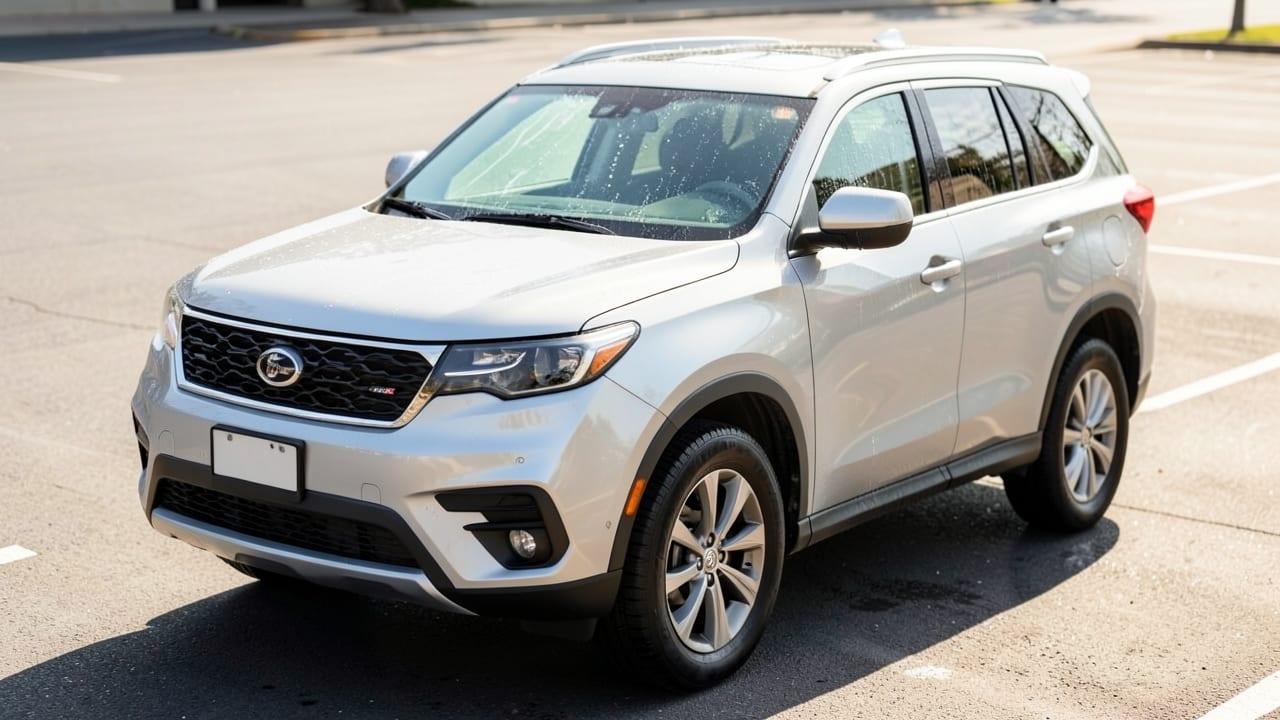
Annual Ceramic Maintenance Wash in Ocala, FL
Professional cleaning and reapplication of ceramic coatings to preserve paint protection.
Learn More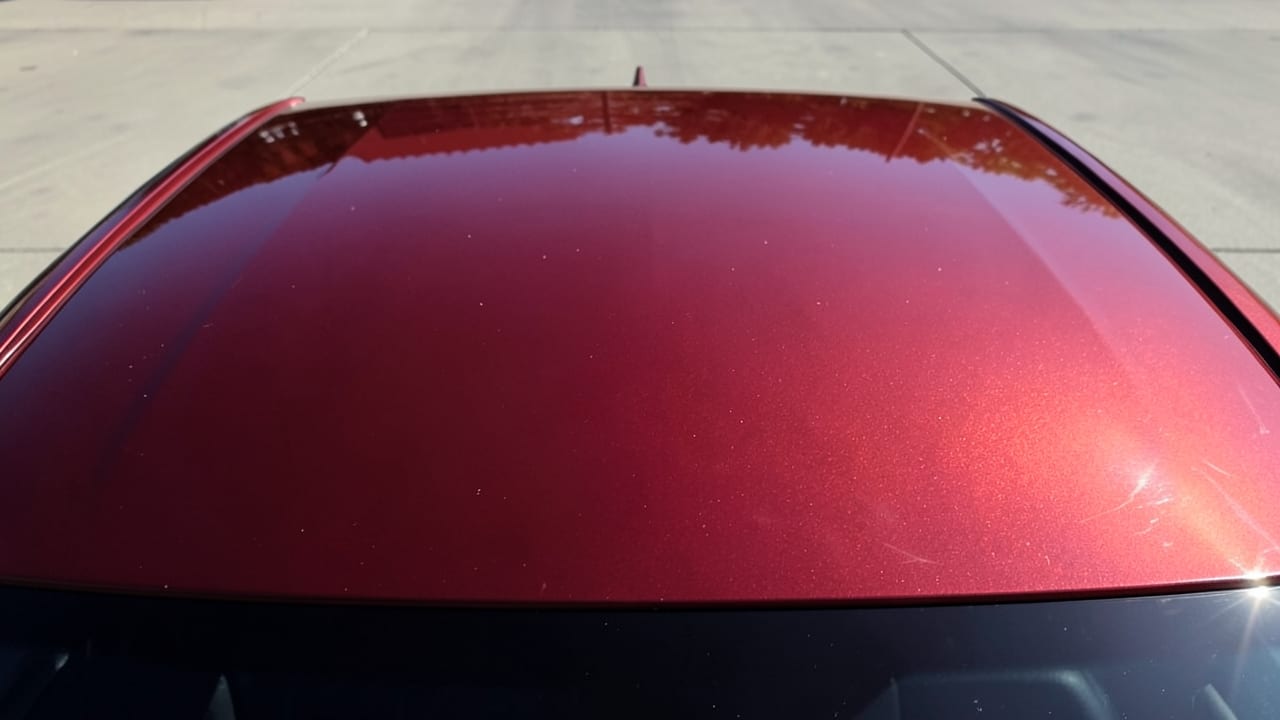
Mid-Summer UV Protection Top-Up in Ocala, FL
Ceramic coating reapplication to restore UV protection and gloss on vehicle paint.
Learn More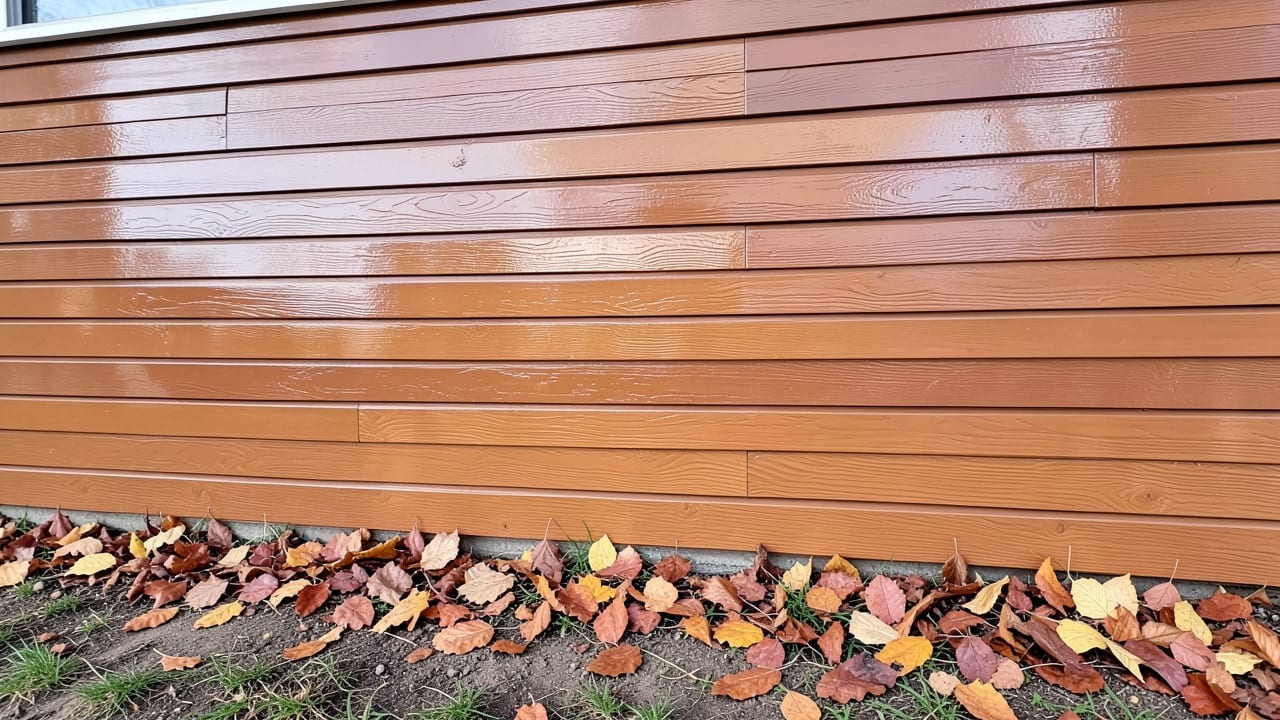
Fall Paint Prep for Winter in Ocala, FL
Ceramic coating and paint protection applied to homes before winter to prevent damage.
Learn MoreCommon Questions About Ceramic Coating in Ocala
Everything you need to know about ceramic coating services in Ocala
How much does Motorcycle Ceramic Coating typically cost in Ocala, FL?
Does intense UV and dust in Ocala, FL change coating maintenance?
What does proper paint prep before a ceramic coating actually involve?
How should a coated vehicle be washed after the coating is applied?
Will a ceramic coating stop rock chips or scratches?
What's the actual difference between wax, paint sealant, and ceramic coating?
Need Ceramic Coating in Ocala?
Get a written quote from our Ocala crew.
⏰ We answer your call • Serving all of Ocala and surrounding areas