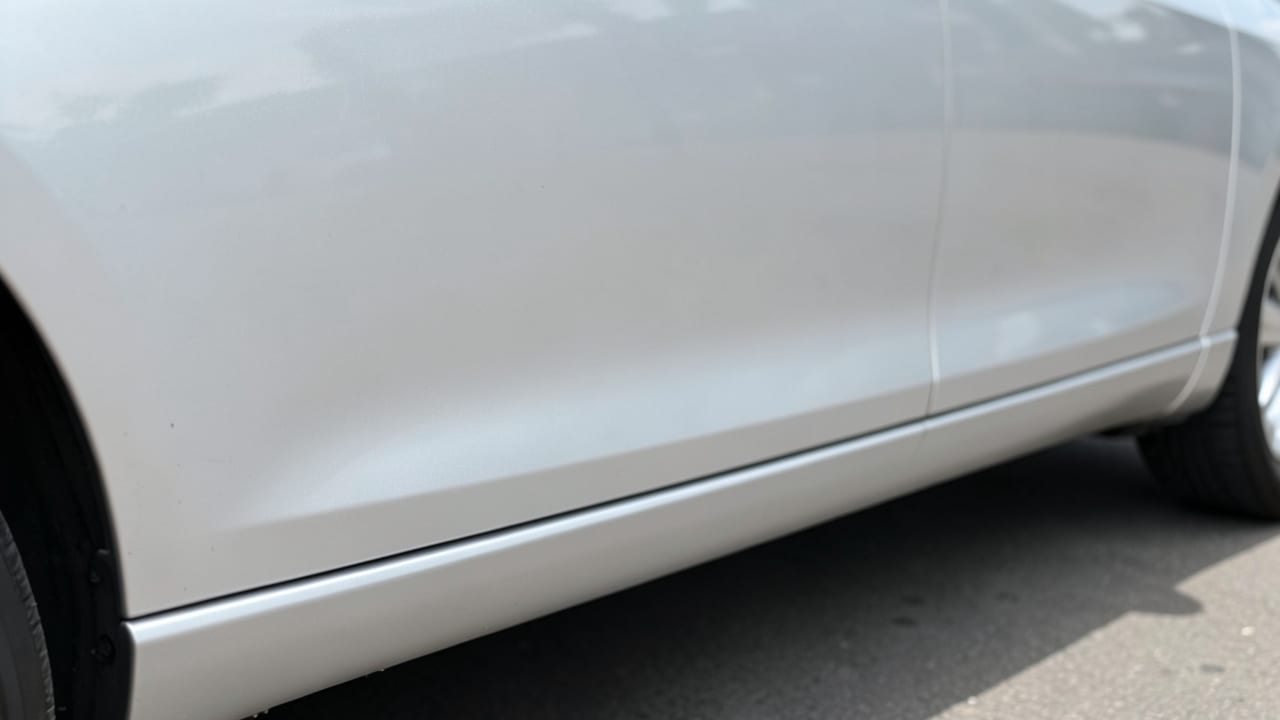
Road Tar Removal
Professional removal of road tar from vehicle paint using safe, ceramic-friendly methods.
Road tar removal in Ocala, FL, targets stubborn asphalt and adhesive residues that cling to your vehicle’s paint, often after parking near construction zones or tree-lined roads.
Unlike regular washing, this process uses contaminant-specific treatments to dissolve embedded tar safely, preserving your ceramic coating or clear coat without causing swirls or damage.
We also handle Annual Ceramic Maintenance Wash and Mid-Summer UV Protection Top-Up for Ocala vehicles.
Local conditions—like frequent tar buildup from nearby highways or sap from oak trees—make this a common issue for Ocala drivers, but proper removal helps maintain your vehicle’s finish long-term.
When road tar removal is needed
Road tar and adhesive residues often bond to paint in ways a standard wash can’t remove. Look for tiny dark specks that stay put after washing, especially on lighter paint colors, or a faint shadow where a spot was wiped but reappears.
These signs indicate embedded contaminants that require targeted treatment. Tar from highway asphalt or sap from trees like live oaks in Ocala can also leave a sticky residue that attracts dirt, making the paint appear dull or hazy over time.
Signs Your Vehicle Needs Tar Removal
- Dark specks or streaks remain after a wash with soap and water, especially on white, silver, or light-colored paint.
- Paint feels gritty or bumpy when touched, even after a thorough wash—this often means embedded rail dust or tar particles.
- A previously treated spot fades under direct sunlight or reappears after parking in the same location (e.g., under a tree or near a highway).
- The paint lacks its usual shine, even after applying wax or sealant, suggesting contaminants are disrupting the surface.
How local conditions affect tar buildup
Ocala’s mix of highway traffic, construction zones, and dense oak forests creates ideal conditions for road tar and sap contamination. Tar from asphalt or brake dust often accumulates on front-wheel areas, while tree sap—especially from live oaks—can leave sticky patches on roofs and windshields.
These contaminants bond differently based on their chemistry, so a one-size-fits-all cleaner won’t work. Local climate, with high humidity and frequent rain, can also make tar stickier and harder to remove once it dries.
| Contaminant Type | Common Sources in Ocala | Why It’s Problematic |
|---|---|---|
| Road Tar | Highway asphalt, construction zones, parking near industrial areas | Bonds chemically to paint; attracts dirt and reduces shine over time |
| Tree Sap (Live Oak) | Parking under oak trees, driving on rural roads | Hardens into a sticky film that etches paint if left untreated |
| Brake Dust (Iron Particles) | Front wheels, highway driving, heavy braking | Embeds into clear coat, causing rust-like spots and reducing coating adhesion |
| Adhesive Residue | Stickers, parking lot markings, overspray | Leaves a hazy, cloudy layer that repels wax and sealants |
What affects the process and cost
The time and effort required for road tar removal depend on how deeply the contaminant has bonded to the paint, the vehicle’s surface condition, and the type of finish (ceramic coating vs. clear coat).
Older coatings or paint with existing swirls may need extra prep work, while newer finishes respond better to targeted treatments. Local factors—like the frequency of tar exposure—also play a role in how often maintenance is needed to keep the paint protected.
How road tar removal works
- 1Contaminant Identification
The first step is identifying the exact type of contaminant—tar, sap, brake dust, or adhesive—since each requires a specific chemical treatment. Tar and sap respond to solvents designed to break down asphalt and resin bonds, while brake dust needs an iron remover to dissolve embedded particles without scratching the paint.
- 2Targeted Chemical Treatment
A dwell-time product formulated for the contaminant is applied and left to work for several minutes. This step is critical: scrubbing too soon can spread the contaminant and cause swirls. For tar, a specialized adhesive remover is used; for iron particles, a chelating agent dissolves the metal without damaging the clear coat.
- 3Mechanical Lift (If Needed)
After the chemical treatment, a clay bar or clay mitt is gently worked over the area to lift any remaining residue. A lubricant is used throughout to prevent the clay from dragging grit across the paint. This step ensures embedded particles are fully removed without introducing new scratches.
- 4Rinse and Inspection
The treated area is rinsed thoroughly to remove all product residue, then inspected under direct light to confirm the contaminant is gone. Some contaminants, like tar, can leave a faint shadow indoors that disappears outdoors—this means the job isn’t fully done and may need retreatment.
- 5Protective Follow-Up
A light spray sealant or coating topper is applied to restore the paint’s protective layer, which may have been disturbed during decontamination. This step helps prevent new contaminants from bonding as easily and maintains the finish’s longevity.
Frequently asked questions
Can I remove road tar myself, or should I leave it to a professional?
DIY kits exist, but they often lack the specialized chemistry needed for deep-seated tar or sap. Using the wrong product can smear contaminants or damage the clear coat. Professionals use contaminant-specific treatments and tools like clay bars to lift residues safely, especially important if you have a ceramic coating.
How often should I get my vehicle’s tar or sap spots treated?
It depends on exposure—parking under trees or near highways may require treatment every few months. Addressing spots within a day or two of noticing them prevents them from bonding permanently. Regular washing helps, but embedded contaminants need targeted removal to avoid long-term paint damage.
Will road tar removal damage my ceramic coating?
When done correctly, the process is designed to preserve your coating. However, aggressive scrubbing or using the wrong products can cause swirls. Professionals use dwell-time treatments and gentle mechanical lifts to avoid harming the finish while removing contaminants.
Why does tar keep coming back in the same spots?
If tar reappears in the same location, it often means residual adhesive or embedded particles weren’t fully removed. Re-treatment with the correct chemistry and a protective follow-up sealant can help prevent recurrence, especially if you park in the same spot frequently.
Where Ocala sits, and what the Census lists nearby
Ocala sits in Florida, and the closest places listed in the U.S. Census Gazetteer are Silver Springs (6.4 miles northeast), Liberty Triangle (8.1 miles southwest), Silver Springs Shores (9.4 miles southeast), On Top of the World (9.6 miles southwest).
Within 25 miles of Ocala the same source lists 24 distinct incorporated places and census-designated places.
Those figures matter for road tar removal because they are straight-line distances between Census coordinate points: road mileage between Ocala and Silver Springs runs longer than the 6.4 miles shown, which is why quotes for the same job differ between towns that look close together on a map.
Source: U.S. Census Bureau Gazetteer.
See Summerfield, FL for more, or check out everything Ocala vehicle owners can book with us in full for our complete lineup.
Ready to get started?
Talk to a local ceramic coating pro in Ocala — get a written quote.
Other Ceramic Coating Services in Ocala
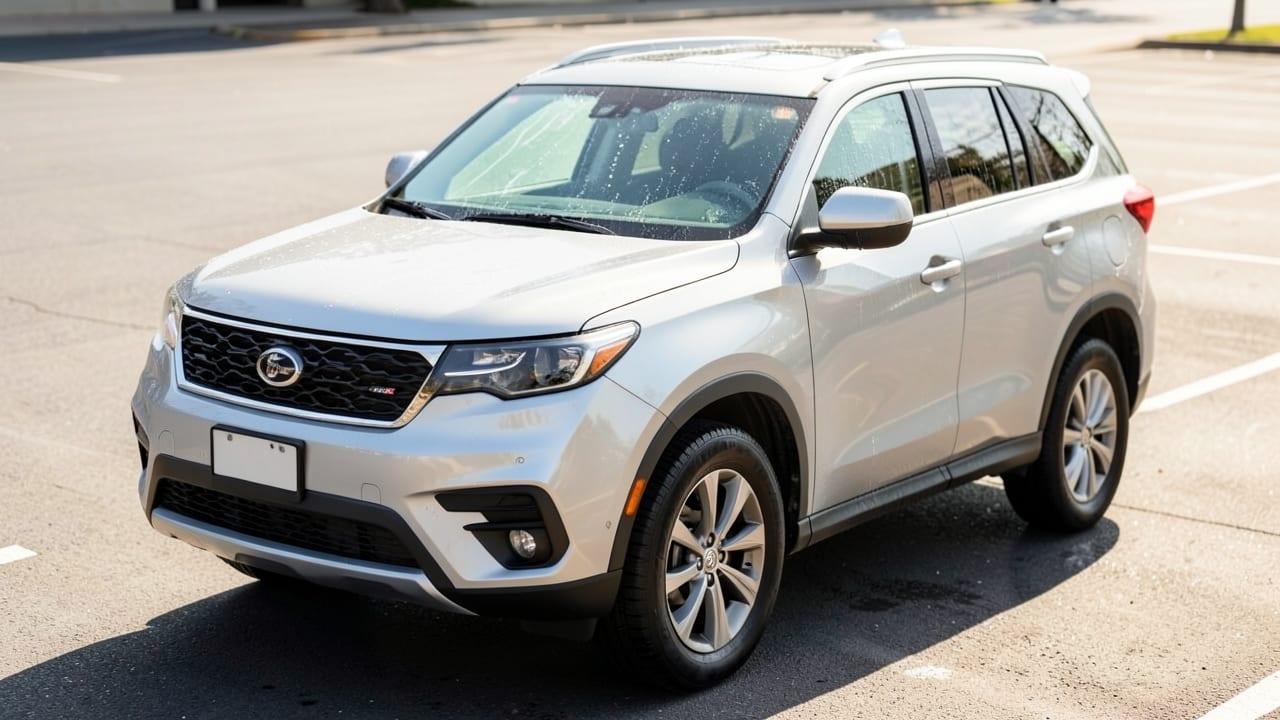
Annual Ceramic Maintenance Wash in Ocala, FL
Professional cleaning and reapplication of ceramic coatings to preserve paint protection.
Learn More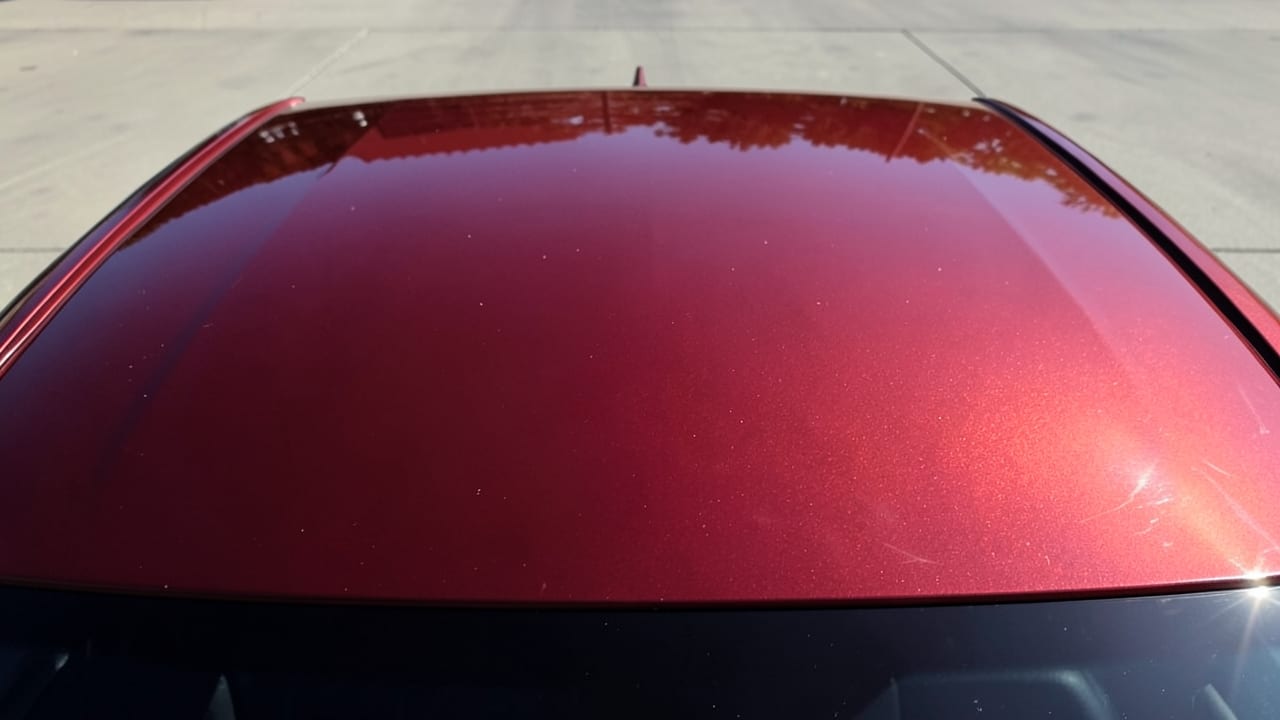
Mid-Summer UV Protection Top-Up in Ocala, FL
Ceramic coating reapplication to restore UV protection and gloss on vehicle paint.
Learn More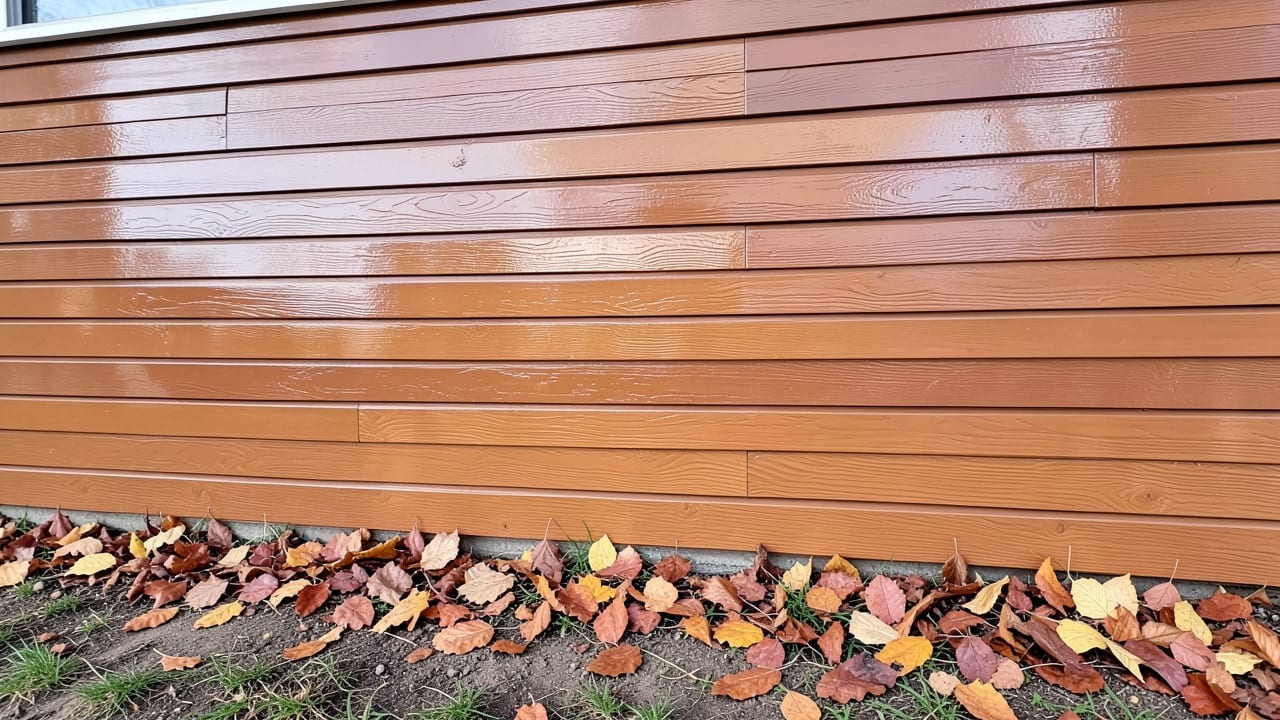
Fall Paint Prep for Winter in Ocala, FL
Ceramic coating and paint protection applied to homes before winter to prevent damage.
Learn More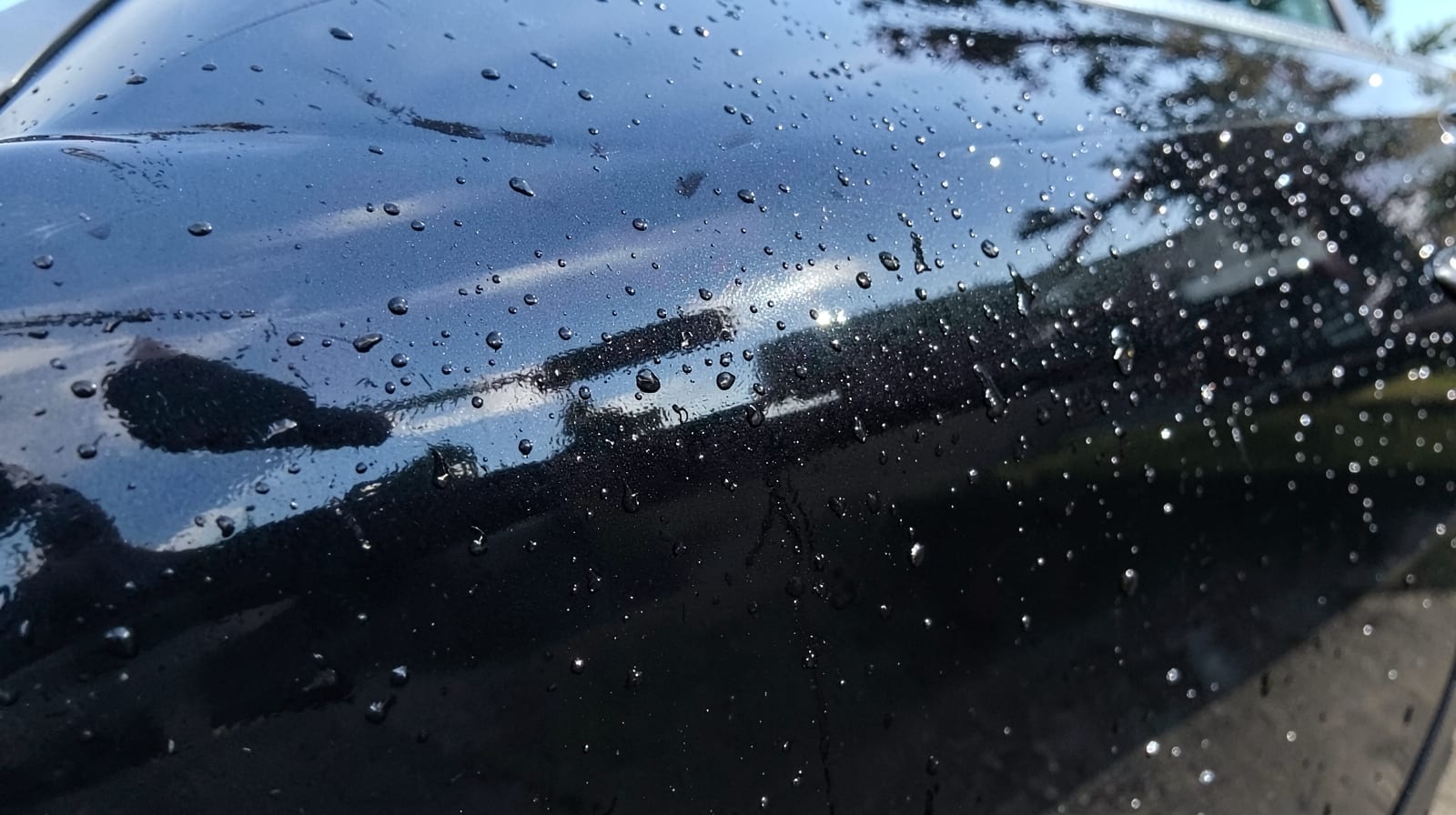
Full-Vehicle Ceramic Coating in Ocala, FL
Professional nano-ceramic coating for vehicles in Ocala, FL — a hard, semi-permanent SiO2 layer for deep gloss, strong hydrophobic protection, and easier washing.
Learn More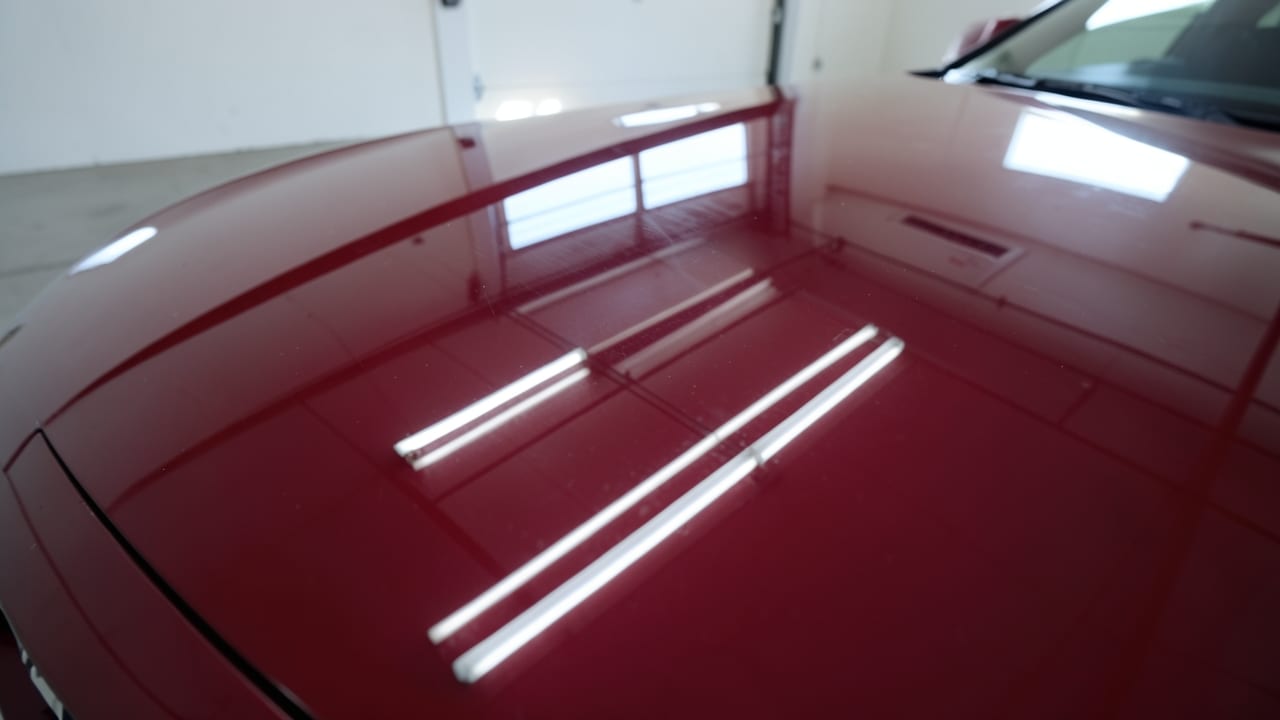
Paint Correction & Polishing in Ocala, FL
Machine paint correction and polishing in Ocala, FL — removes swirl marks, oxidation, and water spots, and is the mandatory first step before any ceramic coating.
Learn More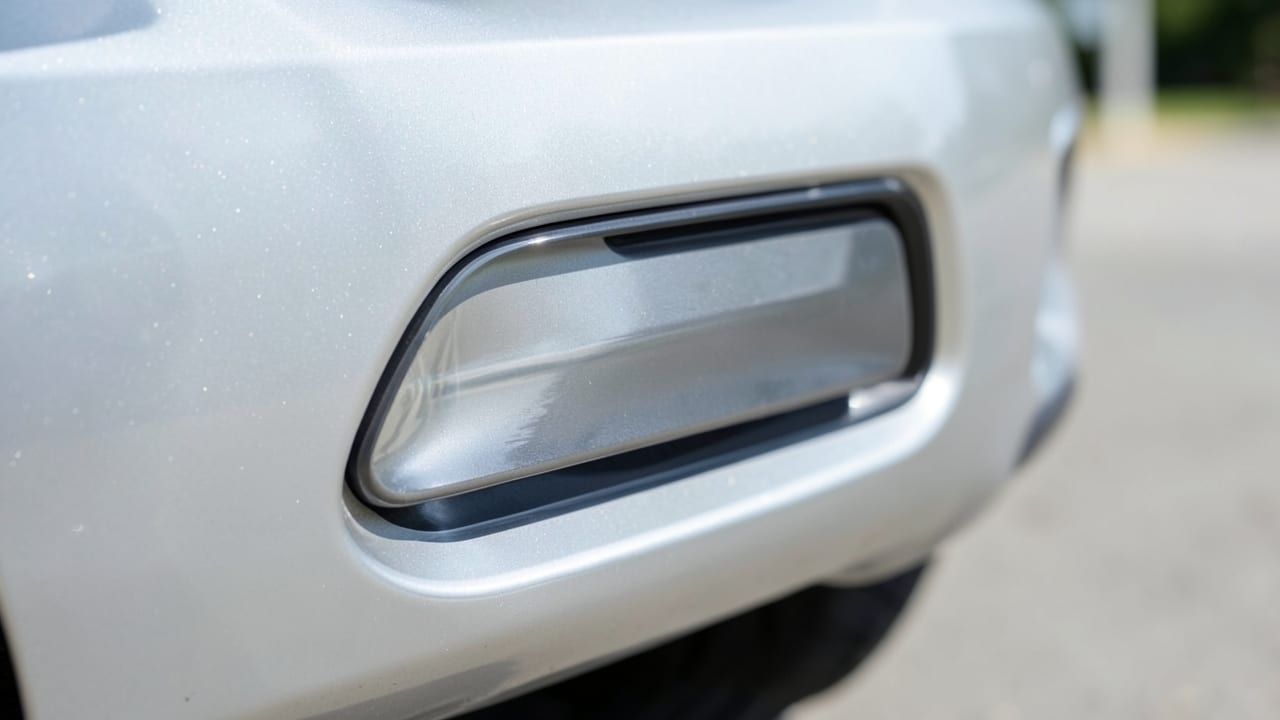
Paint Protection Film (PPF) Installation in Ocala, FL
Self-healing clear PPF installation in Ocala, FL for high-impact panels or a full-body wrap — real physical protection against rock chips and road debris.
Learn MoreCommon Questions About Ceramic Coating in Ocala
Everything you need to know about ceramic coating services in Ocala
How much does Road Tar Removal typically cost in Ocala, FL?
Does intense UV and dust in Ocala, FL change coating maintenance?
Can ceramic coating be applied at home instead of by a detailing shop?
How long does a ceramic coating actually last in real-world use?
What is the difference between graphene and SiO2 ceramic coatings?
Does a ceramic coating need to be topped up over time?
Need Ceramic Coating in Ocala?
Get a written quote from our Ocala crew.
⏰ We answer your call • Serving all of Ocala and surrounding areas