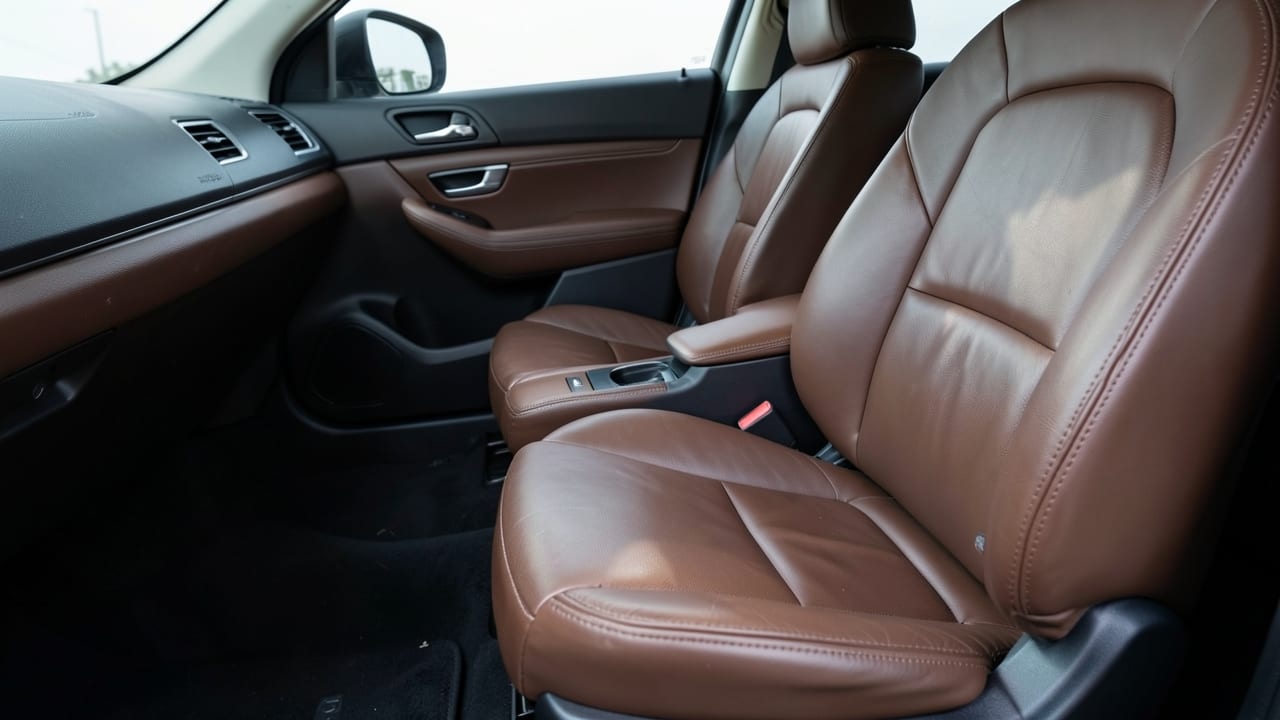
Leather Conditioning
Professional application of ceramic coatings to protect and condition leather surfaces.
Leather conditioning with ceramic coatings in Ocala, FL, helps preserve and protect your vehicle’s or furniture’s leather surfaces from wear, stains, and UV damage. This process enhances durability and restores a natural sheen, making it ideal for car interiors, upholstery, and accessories in the region’s humid climate.
The treatment extends the life of leather goods while maintaining their appearance.
We also handle Pre-Winter Paint Sealant Application and Annual Ceramic Maintenance Wash for Ocala vehicles.
Why leather conditioning matters in Ocala’s climate
Ocala’s hot and humid conditions accelerate leather degradation, causing cracks, fading, and stiffness over time. Ceramic coatings applied during conditioning create a protective barrier that resists moisture, UV rays, and daily wear.
This helps maintain leather’s suppleness and prevents premature aging, especially for car seats and outdoor furniture exposed to Florida’s elements.
Leather conditioning also repels liquids, making spills easier to clean up. Without proper protection, leather can become dry, brittle, and prone to staining—common issues in Ocala’s dusty and sometimes sandy environment. The ceramic layer adds a subtle gloss while keeping the material’s natural texture intact.
Signs Your Leather Needs Conditioning
- Leather appears dull, dry, or cracked, especially in direct sunlight or after washing.
- Spills or liquids bead up instead of absorbing into the material, indicating loss of natural oils.
- Fading or discoloration is visible, particularly on darker shades exposed to UV rays.
- Leather feels stiff or develops a rough texture, reducing comfort in car seats or furniture.
How ceramic coatings enhance leather protection
Ceramic coatings used in leather conditioning form a molecular bond with the surface, creating a flexible yet durable shield. Unlike traditional conditioners, which sit on top of the leather, these coatings penetrate slightly to reinforce the material’s structure.
This makes them ideal for high-use areas like car interiors, where leather is subjected to heat, friction, and environmental stressors.
The coating also adds hydrophobic properties, repelling water, dirt, and oils that can penetrate untreated leather. In Ocala’s climate, where humidity and occasional rain are common, this extra layer helps prevent mold, mildew, and odor buildup.
However, it’s important to note that coatings do not replace regular cleaning or conditioning—they complement it.
Preparing leather for conditioning: key steps
Before applying a ceramic coating, leather must be thoroughly cleaned to remove dirt, oils, and old conditioners. This step ensures the coating adheres evenly and lasts longer. A deep clean often involves vacuuming, wiping down with a damp cloth, and using a specialized leather cleaner to avoid damaging the material.
For car interiors, seats are vacuumed to remove debris, followed by a wipe-down with a microfiber cloth and leather-safe cleaner. Any stains or discolorations are treated separately before conditioning. Skipping this step can lead to an uneven finish or premature wear of the coating.
| Step | Purpose | Tools/Products Used |
|---|---|---|
| Deep Cleaning | Removes dirt, oils, and old conditioners | Vacuum, microfiber cloths, leather cleaner |
| Stain Treatment | Targets discolorations or spills | Leather stain remover, soft brush |
| Drying | Ensures leather is completely dry before conditioning | Clean towel or air drying |
| Conditioning Application | Restores moisture and prepares for ceramic coating | Leather conditioner, applicator cloth |
How leather conditioning with ceramic coating works
This process combines deep cleaning, conditioning, and ceramic coating for long-lasting leather protection.
- 1Cleaning
Leather is vacuumed and wiped down with a specialized cleaner to remove dirt, oils, and residue. This step ensures the ceramic coating adheres smoothly and lasts longer.
- 2Conditioning
A high-quality leather conditioner is applied to restore moisture and flexibility. This step softens the material and prepares it for the ceramic layer.
- 3Ceramic Coating Application
A thin, flexible ceramic coating is applied evenly across the leather surface. This layer bonds with the material to create a protective barrier against UV rays, stains, and wear.
- 4Curing
The coated leather is left to cure for 24–48 hours in a dust-free environment. Avoiding contact or exposure to moisture during this time ensures the coating hardens properly.
- 5Final Inspection
After curing, the leather is inspected for even coverage and touch-tested for smoothness. Any uneven spots are addressed before the process is complete.
Frequently asked questions
How often should I get my leather conditioned with a ceramic coating?
Ceramic-coated leather typically requires conditioning every 1–2 years, depending on usage and exposure to elements. Regular cleaning every 3–6 months helps maintain the coating’s effectiveness.
Will ceramic conditioning make my leather look shiny or plastic-like?
No, ceramic coatings add a subtle sheen while preserving the leather’s natural texture. The finish is more refined than traditional conditioners, enhancing the material’s appearance without an artificial look.
Can I apply ceramic coating myself, or should I hire a professional?
While DIY kits exist, professional application ensures even coverage and proper curing, especially for high-value leather like car interiors. Professionals also assess surface conditions before applying the coating.
Does ceramic conditioning work on all types of leather?
Ceramic coatings are compatible with most leather types, including full-grain, top-grain, and bonded leather. However, heavily treated or synthetic leather may require a different approach.
Where Ocala sits, and what the Census lists nearby
Ocala sits in Florida, and the closest places listed in the U.S. Census Gazetteer are Silver Springs (6.4 miles northeast), Liberty Triangle (8.1 miles southwest), Silver Springs Shores (9.4 miles southeast), On Top of the World (9.6 miles southwest).
Within 25 miles of Ocala the same source lists 24 distinct incorporated places and census-designated places.
Those figures matter for leather conditioning because they are straight-line distances between Census coordinate points: road mileage between Ocala and Silver Springs runs longer than the 6.4 miles shown, which is why quotes for the same job differ between towns that look close together on a map.
Source: U.S. Census Bureau Gazetteer.
See Silver Springs, FL for more, or browse every option available in Ocala from start to finish for our complete lineup.
Ready to get started?
Talk to a local ceramic coating pro in Ocala — get a written quote.
Other Ceramic Coating Services in Ocala
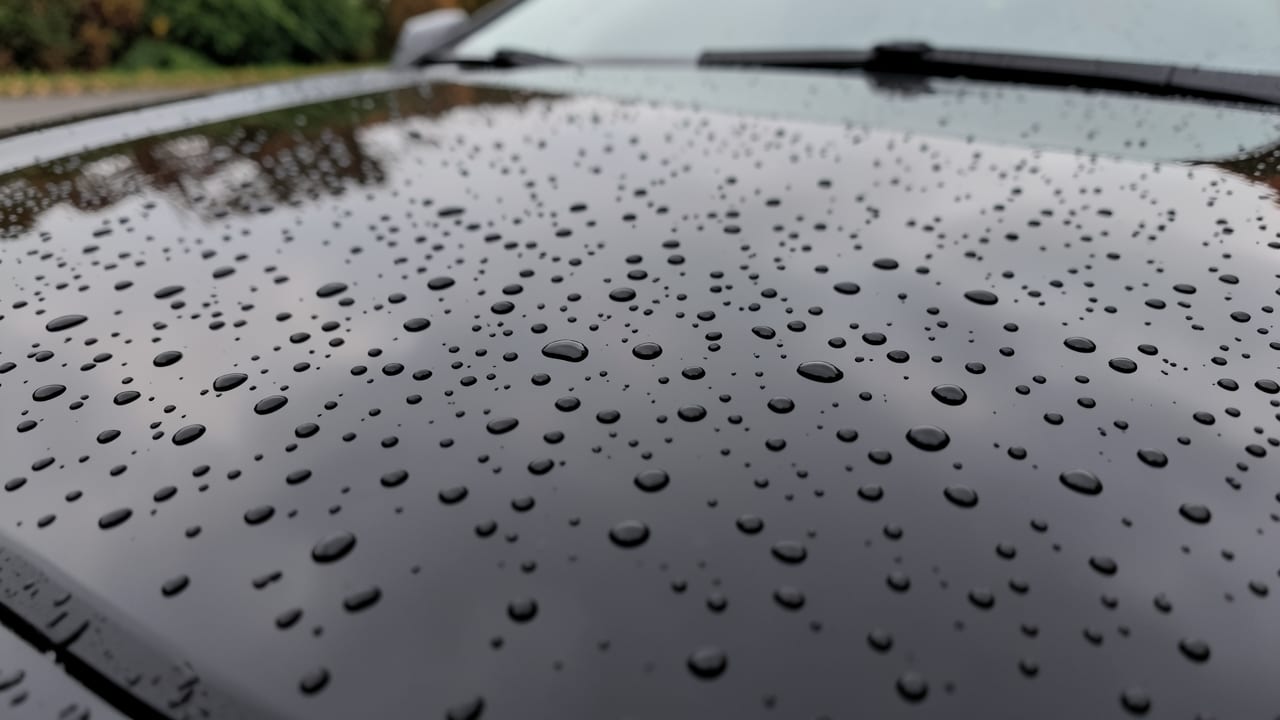
Pre-Winter Paint Sealant Application in Ocala, FL
Professional application of ceramic-based sealant to protect vehicle paint before winter.
Learn More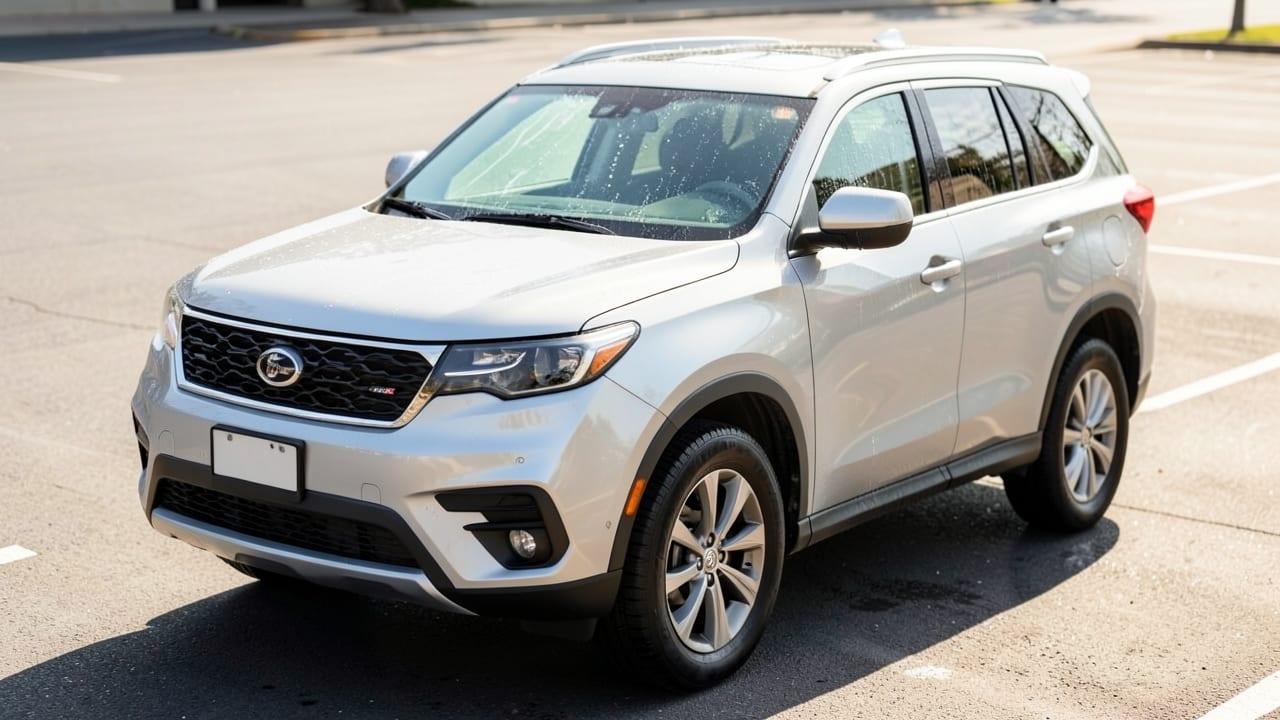
Annual Ceramic Maintenance Wash in Ocala, FL
Professional cleaning and reapplication of ceramic coatings to preserve paint protection.
Learn More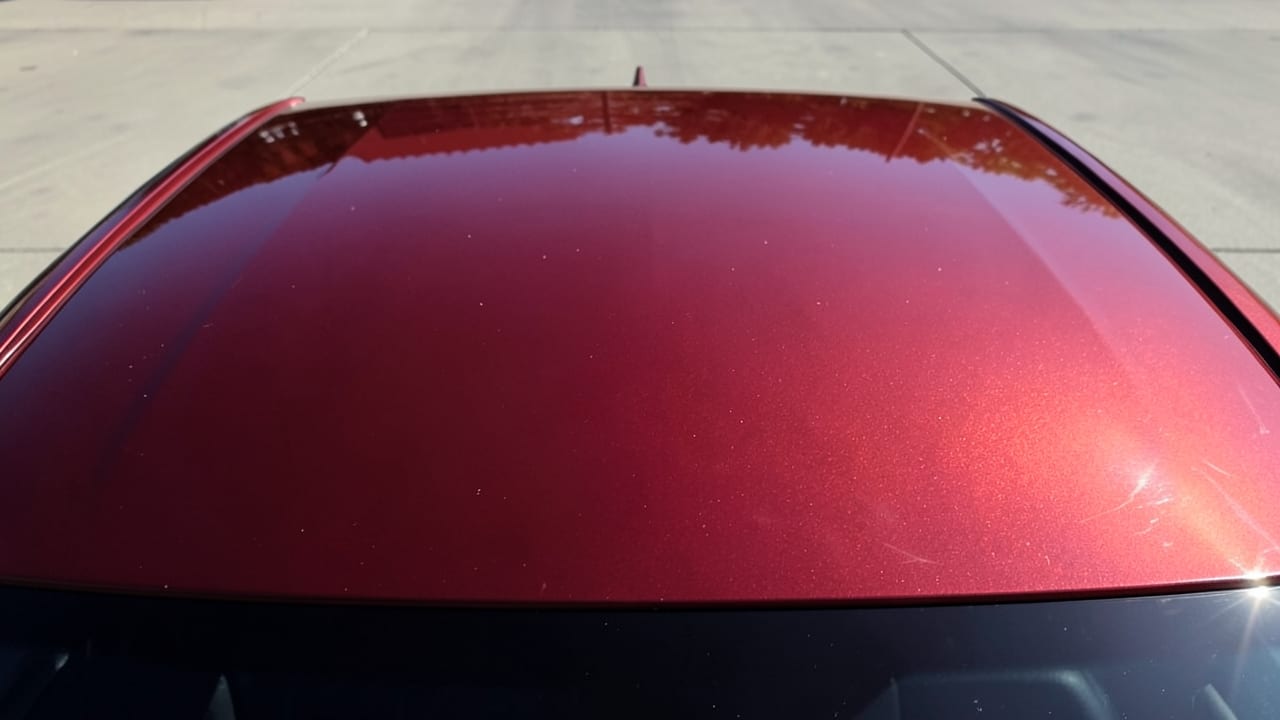
Mid-Summer UV Protection Top-Up in Ocala, FL
Ceramic coating reapplication to restore UV protection and gloss on vehicle paint.
Learn More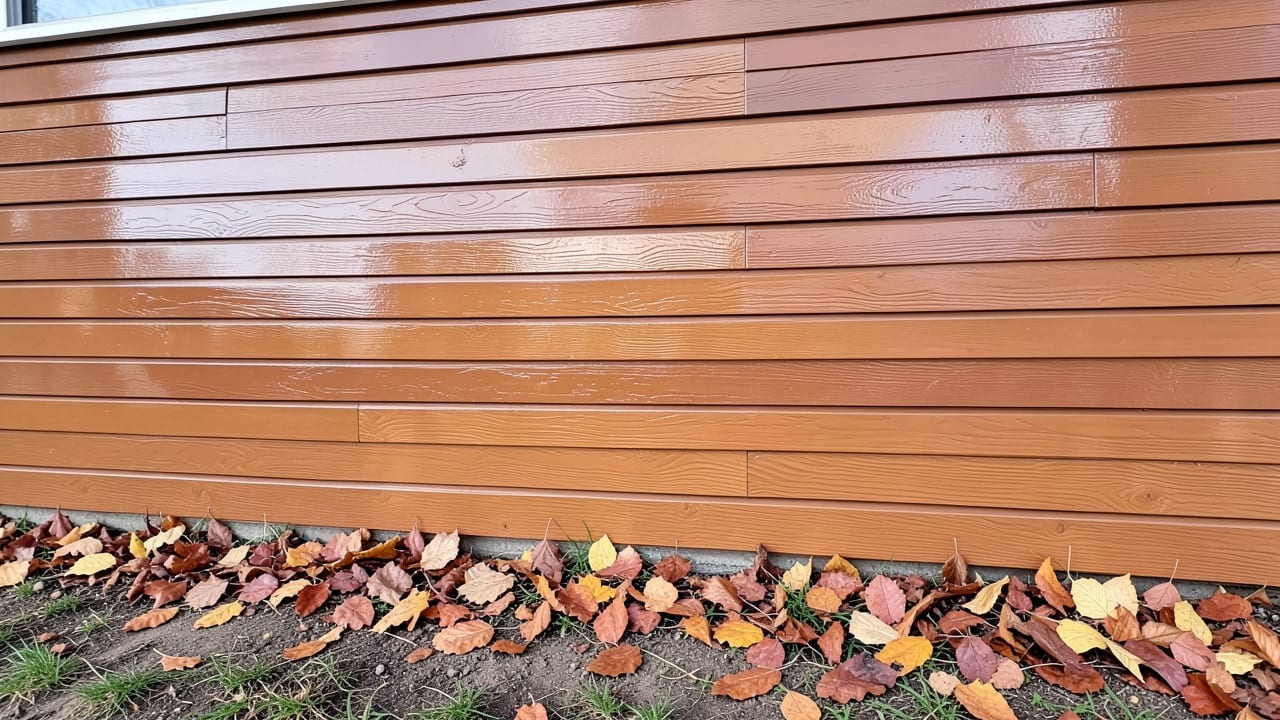
Fall Paint Prep for Winter in Ocala, FL
Ceramic coating and paint protection applied to homes before winter to prevent damage.
Learn More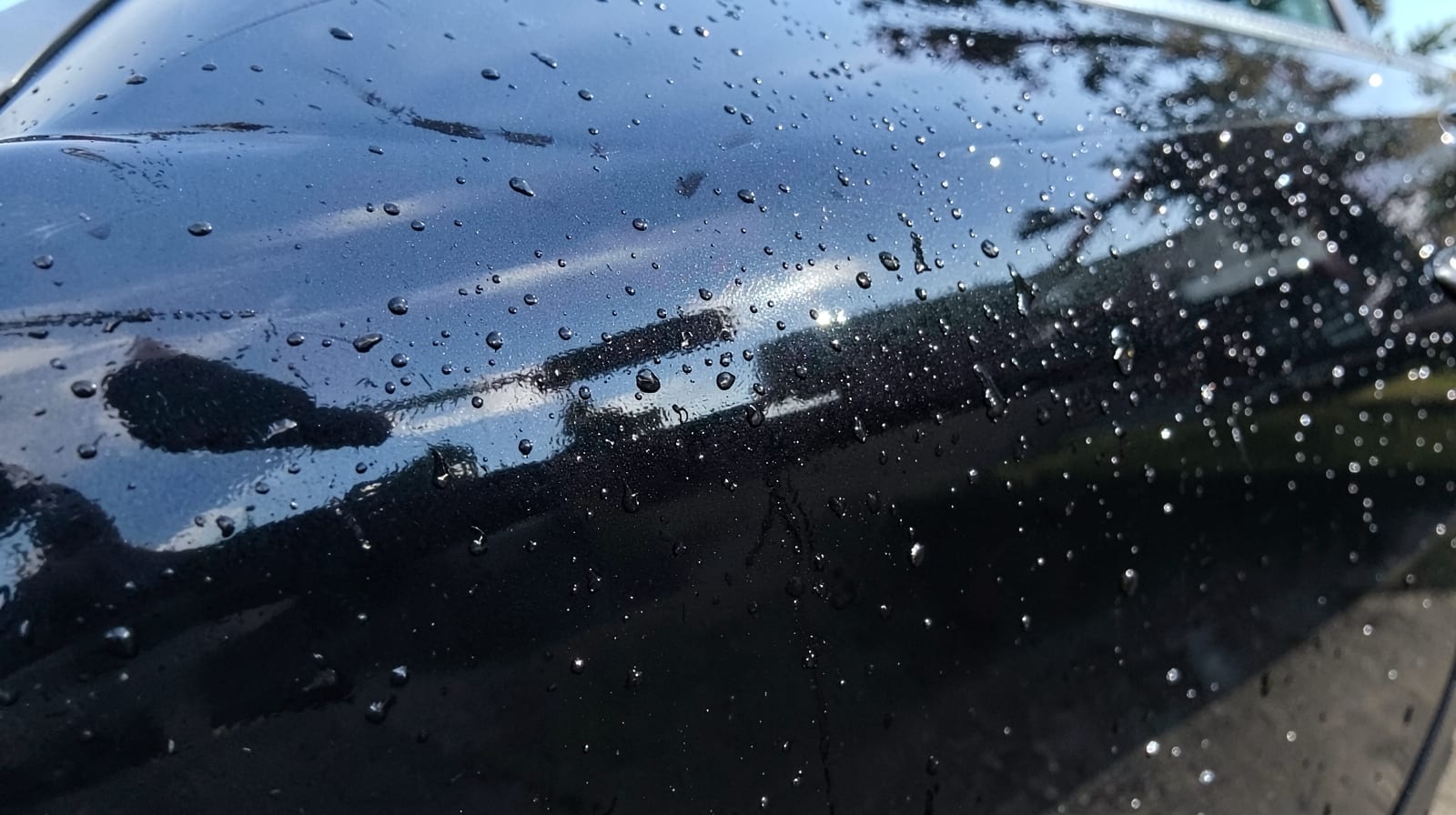
Full-Vehicle Ceramic Coating in Ocala, FL
Professional nano-ceramic coating for vehicles in Ocala, FL — a hard, semi-permanent SiO2 layer for deep gloss, strong hydrophobic protection, and easier washing.
Learn More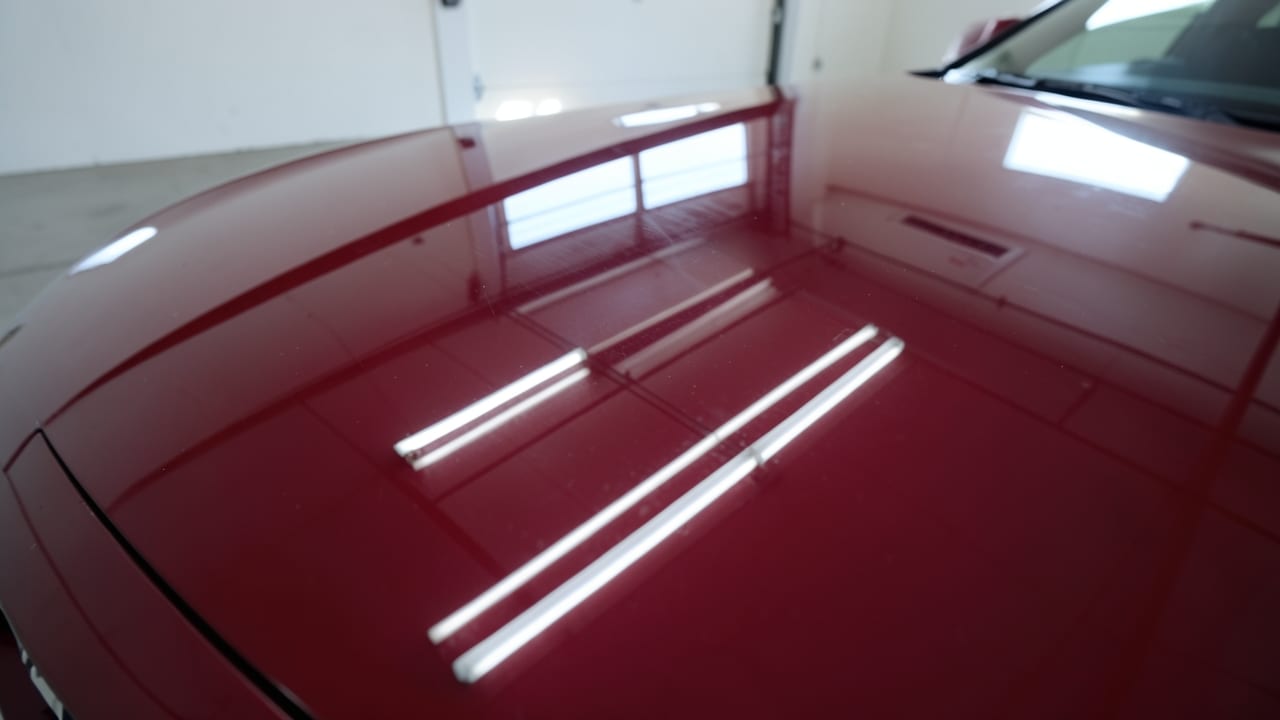
Paint Correction & Polishing in Ocala, FL
Machine paint correction and polishing in Ocala, FL — removes swirl marks, oxidation, and water spots, and is the mandatory first step before any ceramic coating.
Learn MoreCommon Questions About Ceramic Coating in Ocala
Everything you need to know about ceramic coating services in Ocala
How much does Leather Conditioning typically cost in Ocala, FL?
Does intense UV and dust in Ocala, FL change coating maintenance?
What's the actual difference between wax, paint sealant, and ceramic coating?
Can ceramic coating be applied at home instead of by a detailing shop?
How long does a ceramic coating actually last in real-world use?
What is the difference between graphene and SiO2 ceramic coatings?
Need Ceramic Coating in Ocala?
Get a written quote from our Ocala crew.
⏰ We answer your call • Serving all of Ocala and surrounding areas