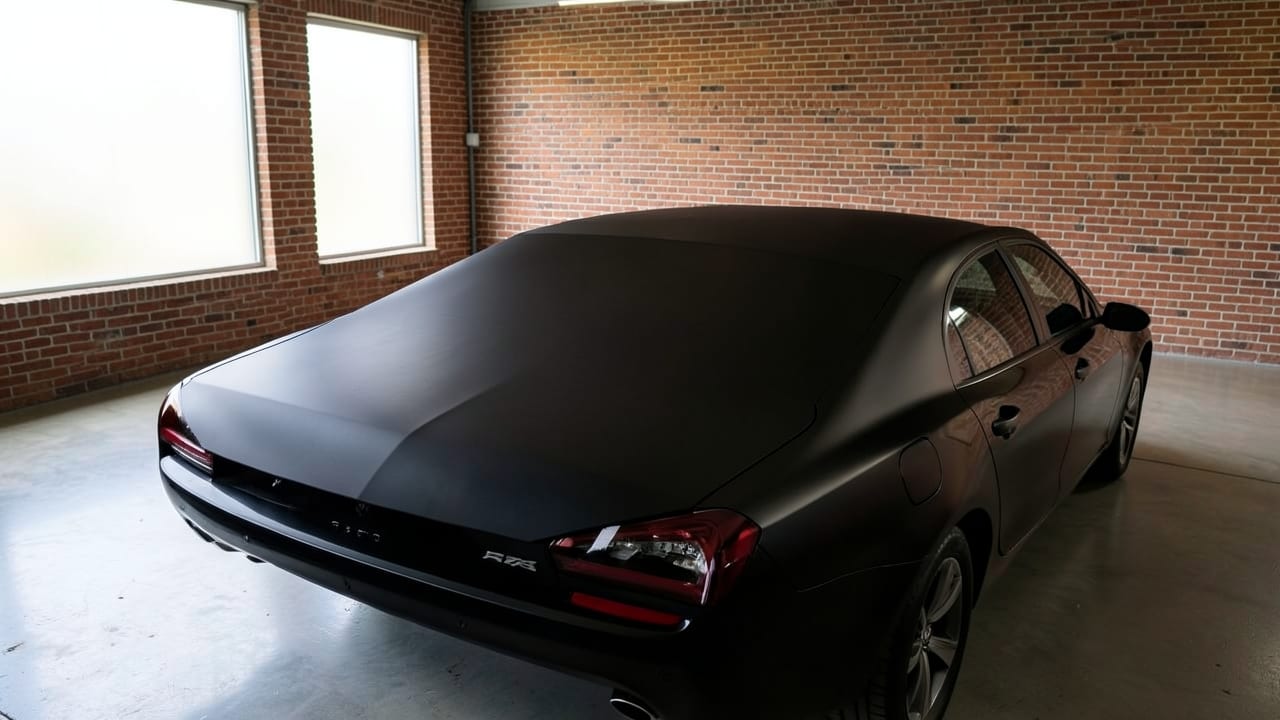
Vinyl Wrap Installation
Professional application of vinyl wraps to protect or customize vehicle surfaces.
Vinyl wrap installation in Ocala, FL transforms your vehicle’s appearance with a durable, customizable film that protects against scratches and UV damage. This process covers paint, metal, or plastic surfaces, offering a removable solution for color changes or added protection without permanent modifications.
Serving Ocala and nearby areas like Belleview and The Villages, vinyl wraps are applied with precision to ensure a flawless finish tailored to your preferences.
We also handle Bird Dropping Removal and Iron Particle Decontamination for Ocala vehicles.
Why vinyl wrap installation?
Vinyl wraps are ideal for Ocala’s sunny climate, where UV rays can fade paint over time. The film acts as a barrier, preserving your vehicle’s original paint while offering a fresh look.
Whether you want a matte black finish, a bold color, or subtle texturing, vinyl wraps provide flexibility without the commitment of a full repaint.
This service is also practical for protecting older vehicles or those frequently exposed to road debris, which is common on Ocala’s highways. The wrap’s durability helps resist minor scratches and stone chips, extending the life of your vehicle’s exterior.
However, it’s important to note that wraps do not replace impact protection for dents or severe damage.
Signs You May Need a Vinyl Wrap
- Your paint shows visible swirl marks or fine scratches, especially under direct sunlight.
- You want to change your vehicle’s color or style without permanent alterations.
- Your car is exposed to harsh Ocala sun, accelerating paint fading or oxidation.
- You’re looking for added protection against road debris and minor scratches.
What affects the process?
The quality of vinyl wrap installation depends on thorough preparation and the right conditions. Skipping steps like decontamination or clay bar treatment can leave contaminants trapped under the wrap, reducing its lifespan. Additionally, environmental factors like humidity and temperature during application impact how the film adheres and cures.
In Ocala’s heat and humidity, proper curing is critical. The wrap must be applied in a controlled environment to avoid issues like streaking or uneven adhesion. Post-installation care, such as avoiding automatic car washes for the first few weeks, also plays a role in maintaining the wrap’s appearance and durability.
| Factor | Impact on Installation | Ocala-Specific Consideration |
|---|---|---|
| Surface Contamination | Trapped dirt or brake dust can cause premature wear or peeling. | Ocala’s roads often carry brake dust and tar, requiring extra decontamination. |
| Humidity and Temperature | Ideal conditions (50-70% humidity, 65-85°F) ensure proper adhesion. | Ocala’s summer heat may require indoor application to meet these ranges. |
| Pre-Installation Prep | Skipping steps like iron removal or clay bar treatment shortens wrap lifespan. | Thorough prep is essential to handle Ocala’s dusty and humid environment. |
| Curing Time | Rushing the cure can lead to streaks or uneven finish. | Avoid washing or exposing the wrap to rain for at least 48 hours post-installation. |
Common misconceptions
Many assume vinyl wraps are only for aesthetic changes, but they also offer functional benefits like UV protection and scratch resistance. However, it’s crucial to understand that wraps do not provide the same level of protection as ceramic coatings against deep scratches or impacts.
Clarifying these differences helps set realistic expectations for the service.
Another misconception is that vinyl wraps are permanent. While they last years with proper care, they are designed to be removed without damaging the original paint. This makes them a flexible option for those who like to change their vehicle’s look over time.
Vinyl wraps do not replace ceramic coatings for deep scratch or impact protection. They are best suited for cosmetic changes and light surface protection.
How vinyl wrap installation works
The process begins with a deep clean and careful preparation of your vehicle’s surface.
- 1Foam Pre-Wash and Wheel Cleaning
The vehicle undergoes a two-step wash: a foam pre-wash for the paint and a separate cleaning for wheels and tires. Different mitts are used to avoid transferring brake dust or grime onto the paint, which can cause scratches during installation.
- 2Chemical Decontamination
Iron remover strips embedded brake dust from the clear coat, while tar and bug removers lift surface-level contaminants. These steps ensure no particles remain that could interfere with the wrap’s adhesion.
- 3Clay Bar Treatment
A clay bar or mitt is worked across every panel with a lubricant to remove bonded contaminants like industrial fallout or overspray. The surface is considered ready when it feels smooth to the touch.
- 4Wrap Application
The vinyl film is carefully cut to fit each panel and applied in a controlled environment. Heat is used to activate the adhesive, ensuring a smooth, bubble-free finish. The process is done panel by panel to maintain precision.
- 5Curing and Inspection
After application, the vehicle is left undisturbed for the wrap to cure, typically 24-48 hours. Inspections check for adhesion, bubbles, or misalignment, with adjustments made as needed before the vehicle is returned to you.
Frequently asked questions
How long does a vinyl wrap last in Ocala’s climate?
With proper care, vinyl wraps typically last 5-7 years in Ocala’s heat and UV exposure. Frequent washing with pH-neutral soap and avoiding automatic car washes can extend this lifespan by preserving the film’s integrity.
Can a vinyl wrap hide swirl marks or scratches on my car?
Vinyl wraps cover the surface but do not fill in or hide existing swirl marks or scratches. Addressing these imperfections with paint correction before installation ensures the wrap adheres smoothly and looks its best.
What should I avoid after getting a vinyl wrap installed?
Avoid washing your vehicle for at least 48 hours to allow the wrap to fully cure. Also, steer clear of automatic car washes with brushes, as they can cause micro-scratches. Use a two-bucket wash method with a gentle soap for the first few weeks.
Will the wrap protect my car from rock chips or deep scratches?
Vinyl wraps offer some resistance to minor scratches and UV damage but do not provide impact protection against rock chips or deep scratches. For added durability, consider pairing the wrap with a ceramic coating for light surface protection.
Where Ocala sits, and what the Census lists nearby
Ocala sits in Florida, and the closest places listed in the U.S. Census Gazetteer are Silver Springs (6.4 miles northeast), Liberty Triangle (8.1 miles southwest), Silver Springs Shores (9.4 miles southeast), On Top of the World (9.6 miles southwest).
Within 25 miles of Ocala the same source lists 24 distinct incorporated places and census-designated places.
Those figures matter for vinyl wrap installation because they are straight-line distances between Census coordinate points: road mileage between Ocala and Silver Springs runs longer than the 6.4 miles shown, which is why quotes for the same job differ between towns that look close together on a map.
Source: U.S. Census Bureau Gazetteer.
See Lady Lake, FL for more, or check out the ceramic coating work we do around Ocala by category for our complete lineup.
Ready to get started?
Talk to a local ceramic coating pro in Ocala — get a written quote.
Other Ceramic Coating Services in Ocala
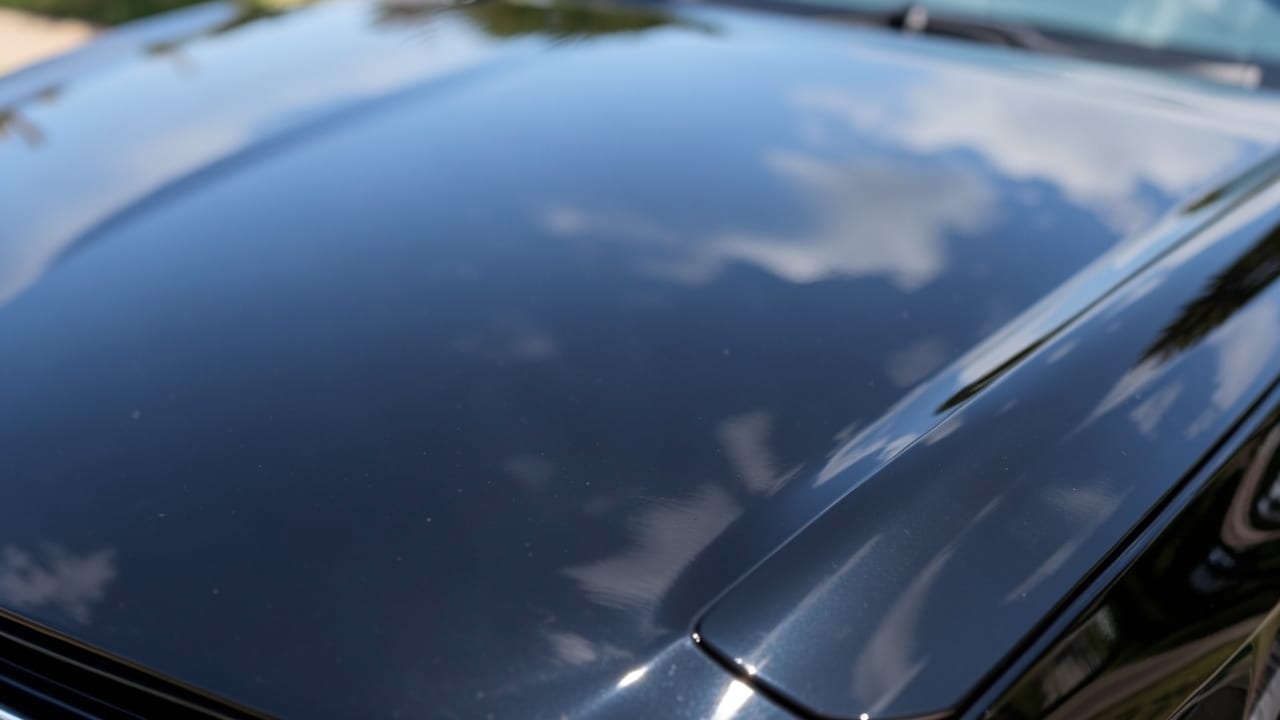
Bird Dropping Removal in Ocala, FL
Professional removal of bird droppings to prevent paint damage and maintain ceramic coatings.
Learn More
Iron Particle Decontamination in Ocala, FL
Removal of embedded iron particles from automotive paint using chemical solutions.
Learn More
Road Tar Removal in Ocala, FL
Professional removal of road tar from vehicle paint using safe, ceramic-friendly methods.
Learn More
Overspray Removal in Ocala, FL
Removing overspray from vehicles and surfaces to restore original appearance.
Learn More
Pre-Winter Paint Sealant Application in Ocala, FL
Professional application of ceramic-based sealant to protect vehicle paint before winter.
Learn More
Annual Ceramic Maintenance Wash in Ocala, FL
Professional cleaning and reapplication of ceramic coatings to preserve paint protection.
Learn MoreCommon Questions About Ceramic Coating in Ocala
Everything you need to know about ceramic coating services in Ocala
How much does Vinyl Wrap Installation typically cost in Ocala, FL?
Does intense UV and dust in Ocala, FL change coating maintenance?
Can ceramic coating be applied at home instead of by a detailing shop?
How long does a ceramic coating actually last in real-world use?
What is the difference between graphene and SiO2 ceramic coatings?
Does a ceramic coating need to be topped up over time?
Need Ceramic Coating in Ocala?
Get a written quote from our Ocala crew.
⏰ We answer your call • Serving all of Ocala and surrounding areas